

Mining Occupational Health and Safety: PPE for Surface & Underground Operations
Mining remains one of the most hazardous industries in the world. From falling rocks to invisible toxic gases, workers face daily risks that can lead to serious injuries or death if not properly protected. That is why mining occupational health and safety focuses on keeping workers safe through providing the correct PPE (Personal Protective Equipment), training, and compliance with regulations.
While PPE is critical for all mining sites, the type and level of protection required differs between surface and underground mining sites. Understanding these differences, ensures that everyone on site remains safe.
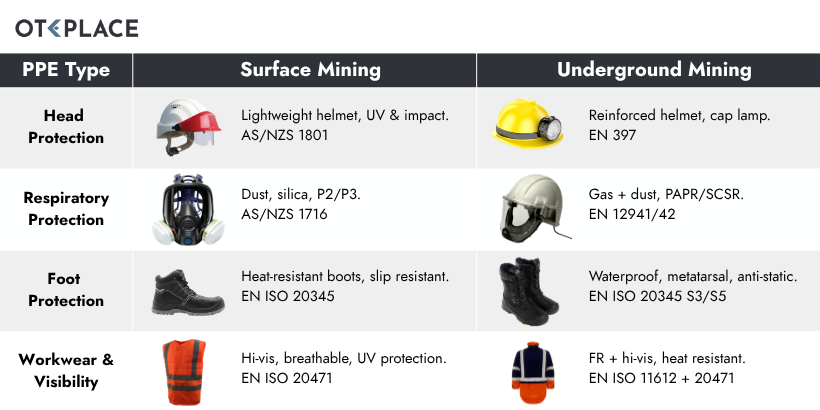
Table of Contents
-
1. Surface Mining Hazards & Recommended PPE
-
2. Underground Mining Hazards & Recommended PPE
-
3. PPE Shared Across All Mining Operations
-
4. Mining Regulatory Standards and Compliance
Surface Mining
Surface mining is a common type of mining that extracts mineral from earths surface, by removing rocks and soils from the underlying materials. Surface mining is used to extract coal seams, and heavy metals such as iron ore, gold, and copper.
Key Hazards in Surface Mining
- Sun and heat exposure
- Airborne dust during drilling, blasting, and crushing
- Movement of large trucks and heavy machinery
- Noise from crushers and drills
- Slips, trips, and uneven terrain
Recommended PPE for Surface Mining
1. Head Protection
Hard hats meeting AS/NZS 1801, ANSI Z89.1 (Type I), or EN 397 or equivalent standards protect against falling objects, debris, sun exposure, and collision with mobile equipment. For surface work, lighter helmets with sunshades or visors help reduce heat exposure.
Surface-mining specific features for head-protection:
• Optional sun brims or visors for UV protection
• Lightweight shell for heat management
• Chin straps to prevent dislodging in high-wind or uneven terrain
• Compatible with earmuffs and visors for task-specific protection
Replacement Cycle Tip: Change every 5 years or earlier if cracked, dented, or discolored from UV.
2. Eye & Face Protection
Safety glasses, AS/NZS 1337.1 or EN 166, are standard for everyday protection. Goggles offer better sealing in dusty or high-moisture areas. Face shields are used for full-face protection during cutting, grinding, or chemical handling.
Surface-mining specific features for eye and face protection:
• Shaded lenses for bright open pits
• Wrap-around sealed goggles for dust-intensive blasting
• Face shields for cutting or grinding tasks
Best practice is to match the type of eye protection to the job. Workers should wear anti-fog lenses in humid areas, or shaded lenses in bright surface mines.
3. Respiratory Protection
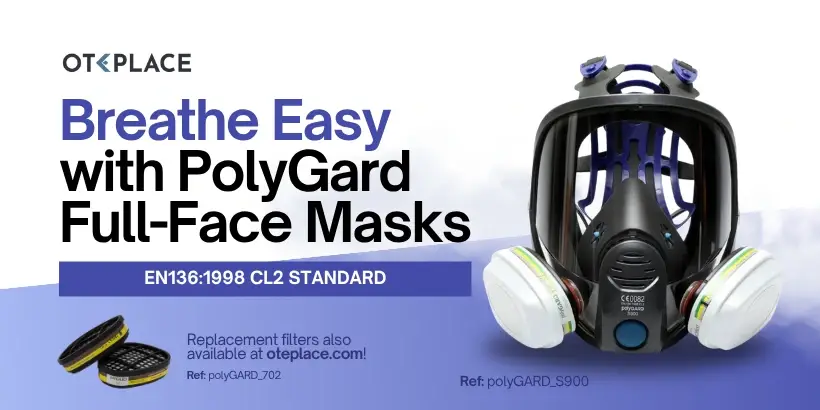
Surface mining often involves high dust exposure. Respirators that meet AS 1716 or similar standards protect lungs from silica dust and particulates during crushing, loading, or blasting.
Surface-mining specific features for respiratory protection:
• P2 or N95 for general dust protection
• P3 or N99 for fine particulate from drilling
• Powered Air Purifying Respirators (PAPR) in high-concentration areas to reduce fatigue and heat stress
4. Protective Footwear
Heavy-duty boots with anti-slip soles and steel/composite toe caps protect against crush injuries and uneven terrain. Underground boots may also need electrical resistance.
Surface-mining specific features for footwear protection:
• Steel or composite toe caps
• Puncture-resistant midsole
• Slip-resistant outsole (SRC rating)
• Electrical hazard protection (EH)
Use Cases: Rubber boots in wet pits, heat-resistant boots on high-temperature surfaces, metatarsal protection for loader zones.
5. High-Visibility Gear
Reflective clothing remains critical in poorly lit areas, helping workers like truck and equipment operators stay visible in tunnel networks. High-vis garments should comply with AS/NZS 4602.1, EN ISO 20471, or ANSI 107.
Surface-mining specific features for high-visibility clothing:
• Fluorescent orange or yellow base
• Reflective tape positioned around torso and limbs
• Breathable mesh materials for heat comfort
Replacement Cycle Tip: Replace garments when reflective tape is cracked, faded, or no longer visible at night.
Underground Mining
Underground mining involves creating tunnels and shafts under the earth’s surface to extract resources buried deep beneath the surface. The process of mining underground requires drilling and plastic to break up the ore, which is then removed by loaders and trucks, sent out to a processing plant for refinement.
Risks underground include gas buildup, low ventilation, rock falls, and poor lighting. Helmets with built-in lamps help with visibility. Respirators must be stronger, and in some areas, must filter gases too.
Key Hazards in Surface Mining
- Low visibility and confined tunnels
- Gas build-up (e.g., methane, CO)
- Poor ventilation
- Rock falls or collapsing structures
- High ambient temperature in deeper sections
Recommended PPE for Underground Mining
1. Head Protection
Hard hats with integrated cap lamps are essential, such as EN 397 / ANSI Z89.1 Type II helmets with built-in cap lamps. These types of helmets protect from falling debris while improving visibility in dark tunnels.
Underground-mining specific features for head protection:
• Cap lamps rated for Zone 0 hazardous atmospheres
• Rear cable clips for tidy lamp cord routing
• Shock absorption + side impact protection
• Optional helmet-mounted two-way radios or Bluetooth
2. Respiratory Protection
Underground mining workers face exposure to harmful gases like methane, CO, diesel exhaust, and respirable crystalline silica. Reusable half-face respirators with gas and particulate filters (P3 + ABEK) or PAPRs (powered air-purifying respirators) systems in areas with diesel equipment are essential.
Underground-mining specific features for respiratory protection:
• Gas sensors integrated with PPE for real-time monitoring
• Changeable filter cartridges extend operational life
• Heat reduction systems built into PAPRs reduce fatigue
3. Eye & Face Protection
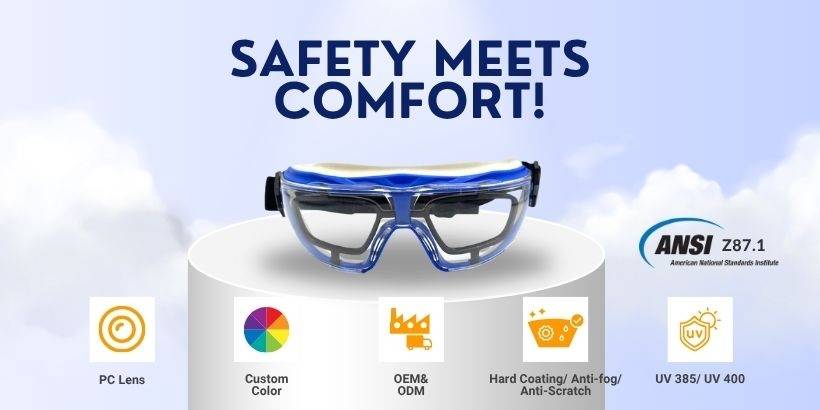
Goggles or sealed safety glasses shield against dust, chemicals, and flying particles in low-ventilation spaces. Sealed goggles EN 166 with anti-fog coatings can be integrated with respirators for additional protection.
Underground-mining specific features for eye and face protection:
• Full-face visors during chemical injection or blasting
• Sealed goggles with indirect venting and anti-fog coatings
• Face shields with chemical splash resistance for maintenance, chemical grouting, or cutting work
• Clear lenses for dark shafts; amber-tint optional for improved contrast in low light
Special Note: Anti-scratch coatings extend service life; periodic lens checks should be part of inspection routines.
4. Hearing Protection
Continuous noise in enclosed spaces amplifies impact, and reverberation underground increases sound pressure levels. To avoid the noise from fans, conveyors, drilling rigs, loaders, and blasting operations, workers should use earmuffsand earplugs for dual protection that meet AS/NZS 1270, EN 352, ANSI S3.19 standards.
Underground-mining specific features for hearing protection:
• Helmet-mounted earmuffs (SLC80 ≥ 25 dB)
• Custom-molded reusable earplugs for extended wear
• Dual protection (earplug + earmuff) in continuous high noise zones
5. Protective Footwear
Uneven ground, falling rocks, slipping on wet or muddy floors, and electrical hazards near equipment are common in underground mining. Heavy-duty boots with anti-slip soles and steel/composite toe caps are recommended.
Underground-mining specific features for protective footwear:
• Steel or composite toe caps
• Puncture-resistant midsole (Kevlar or steel)
• SRC-rated slip-resistant sole (essential for wet tunnels)
• Metatarsal protection for rockfall-heavy areas
• Antistatic properties for zones with flammable gases
• Waterproof or chemical-resistant uppers (e.g., nitrile rubber or full-grain leather)
6. Protective Clothing & Thermal Regulation
Within underground mining, heat build-up, sweat, limited ventilation, and potential fire or flash events are common risks. Having a good base layer and workwear uniform can reduce fatigue and prevent serious injury.
Underground-mining specific features for protective clothing:
• Base Layer: Moisture-wicking, flame-resistant fabric (e.g., aramid blends) meeting EN ISO 11612 or NFPA 2112
• Mid Layer: Lightweight thermal layer to regulate core temperature in variable shaft climates
• Cooling Vests: PCM (Phase Change Material) vests with 21–24 °C melt point for thermal comfort in deep shafts
• Outer Layer: FR coveralls or jackets with reflective strips (EN ISO 20471 + EN ISO 11612 dual certified)
Additional Protection Tip: Fire-retardant balaclavas and neck guards in hot work zones (e.g., welding, torch cutting).
PPE Shared Across All Mining Operations
While surface and underground sites require different specifications, several PPE categories are universal across mining:
- Hard hats (impact-resistant, certified)
- Eye protection (goggles, anti-fog, shaded)
- Respirators (fit-tested, certified)
- Hearing protection (earmuffs or earplugs)
- Gloves (task-specific)
- Steel-toe safety boots with anti-slip soles
- High-visibility clothing with reflective tape
The difference lies in the protection level, durability, and integration of features to address site-specific risks.
Mining Regulatory Standards and Compliance
Rules and laws help keep mining companies in check. They set the minimum gear and training needed to keep workers safe.
1. National Regulations
In the U.S., MSHA runs safety checks and sets rules for PPE, training, and emergency planning. Australia has its own rules by state but follows national safety and health standards.
Mine operators must give workers proper PPE and make sure it’s worn correctly. That includes training staff on fit and use — not just handing it out.
Many regions now require regular safety audits. If a company falls behind, they can face serious fines or be shut down.
2. International Guidelines
Groups like IMAS offer extra help for mining safety in high-risk or remote areas. Their safety guides support projects in places where local laws may be outdated or missing.
Global companies often use these guidelines to keep safety consistent across all job sites, no matter the country. This helps keep gear and safety rules aligned across the mineral sector.
Safety isn’t just about gear — it’s about doing things the right way, every day. When the basics like helmets, masks, and ear protection are taken seriously, lives are saved. That’s what mining occupational health and safety is really about.
Putting Safety First Every Shift
Labor conditions in mining are tough. Mining occupational health and safety starts with proper PPE and using it the right way, every day.
Headgear, respirators, and hearing protection help prevent serious injuries and long-term damage. These tools reduce the most common safety risks found on site.
To support a safer workforce, mine operators should source PPE from a trusted seller that supplies certified gear to mine sites worldwide.