

Reacting to the Unexpected: Equipping and Training for Industrial Accidents
In industrial environments, emergencies rarely announce themselves. A chemical drum ruptures during transfer, a confined space fills with hazardous vapors, or a routine maintenance task escalates into a spill event within moments. In these situations, the difference between a controlled incident and a serious injury often comes down to one factor; industrial emergency preparedness.
Many organizations invest heavily in personal protective equipment (PPE) , assuming that compliance equals readiness. Yet incident investigations repeatedly show a different reality. Equipment may be available, but not accessible. Procedures may exist, but remain practiced. This gap between possession and performance is where injuries, downtime, and regulatory exposure occur.
This is why leading safety programs now prioritize a connected safety ecosystem, one where equipment selection, workforce training, and emergency drills are aligned long before an incident occurs. Early integration of structured emergency response training, such as OSHA-aligned HAZWOPER programs, ensures that when the unexpected happens, teams respond with clarity rather than confusion.
Why Industrial Emergency Preparedness Requires a Connected Safety Ecosystem
Industrial incidents are rarely caused by a single failure. More often, they result from disconnected safety elements: PPE procured without training considerations, emergency plans written but never rehearsed, or spill response tools stored without clear deployment ownership.
A safety ecosystem addresses this fragmentation by aligning three critical layers:
- 1. Appropriate equipment matched to site-specific hazards.
- 2. Competency-based training that builds decision-making and muscle memory.
- 3. Operational readiness reinforced through drills, audits, and feedback loops.
When these layers operate in isolation, even high-quality equipment can fail to protect. When they function together, response becomes faster, safer, and more consistent across teams.
The Hidden Gap Between Safety Tools and Real-World Capability
One of the most common failures in industrial safety is assuming that availability equals usability. Facilities may stock respirators, spill kits, and chemical-resistant PPE, yet workers hesitate during real incidents because they lack hands-on experience.
Respiratory protection serves as a clear example. A respirator only performs its function when it is correctly selected for the hazard, properly fitted, maintained, and donned without delay. Without structured training and routine practice, workers may choose the wrong cartridge, compromise the seal, or avoid using the equipment altogether under stress.
This skills gap does not merely slow response; it amplifies exposure risks and increases the likelihood of escalation. Addressing this gap requires integrating training into the earliest stages of emergency preparedness, not treating it as an afterthought.
Why HAZWOPER-Aligned Training Is the Backbone of Industrial Emergency Preparedness
HAZWOPER training provides a structured foundation for managing hazardous incidents in industrial settings. Rather than focusing solely on compliance, it equips workers with a repeatable decision-making framework for high-risk situations.
OSHA’s HAZWOPER standard emphasizes hazard recognition, exposure control, site organization, and coordinated response. When emergency equipment procurement is aligned with this framework, teams understand not only what tools to use, but when and why to use them.
Organizations that embed comprehensive training programs early in their safety planning see measurable improvements in response time, communication, and incident containment. This alignment transforms emergency response from reactive action into controlled execution.

Selecting Emergency Response Equipment That Supports Real Incidents
Emergency tools must be selected with real-world scenarios in mind. Equipment choices should reflect the specific substances, processes, and environments present on-site, ensuring that workers are not forced to improvise during critical moments.
1. Spill Kits and Absorbents: Matching Tools to Hazards
Spill response effectiveness depends on using the correct absorbents for the material involved. Universal kits are designed for non-aggressive liquids, oil-only kits handle hydrocarbons, and chemical spill kits are engineered for hazardous substances.
2. Respiratory Protection: Readiness Beyond Equipment Selection
Respiratory protection programs must go beyond purchasing masks. N95 respirators, elastomeric respirators, and powered air-purifying respirators (PAPRs) each serve different hazard profiles. Selection must be supported by fit testing, cartridge management, and documented procedures.
Training reinforces these elements by ensuring workers can transition into respiratory protection smoothly during emergencies, even in low-visibility or high-stress conditions.
3. Additional PPE and Emergency Infrastructure
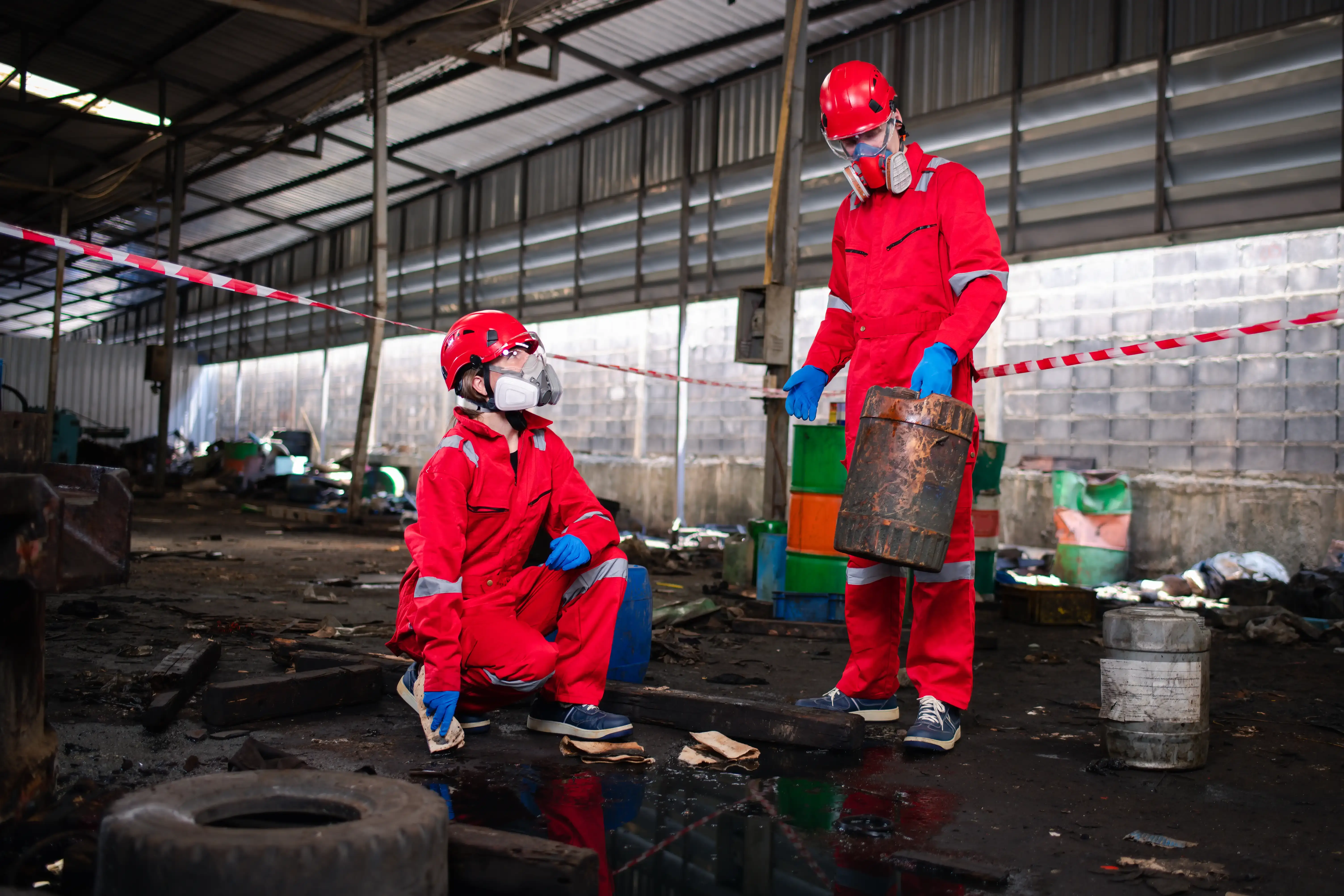
Chemical-resistant gloves, protective suits, eyewash stations, decontamination supplies, and clear communication systems complete the emergency response environment. These tools are most effective when their use is practiced regularly and integrated into incident command structures.
The Role of Drills and Simulations in Closing Readiness Gaps
Even the most comprehensive plans fail without practice. Drills and simulations transform written procedures into lived experience, revealing weaknesses before real incidents expose them.
1. Designing Spill Response Drills That Reflect Reality
Effective drills simulate realistic spill scenarios, requiring teams to assess hazards, select appropriate absorbents, and coordinate containment efforts. These exercises evaluate both speed and accuracy, ensuring that equipment is used correctly under pressure.
2. Strengthening Respiratory Protection Through Practice
Respiratory drills reinforce proper donning and doffing, seal checks, and communication while wearing protection. Practicing in confined or low-visibility environments builds confidence and reduces hesitation during actual emergencies.
From Compliance to Capability: Preparing Teams for Industrial Emergencies
Industrial safety cannot rely on equipment alone. True readiness emerges when PPE, training, and operational discipline function as a unified system. Organizations that align their emergency tools with structured training programs experience fewer injuries, reduced downtime, and greater confidence across their workforce.
As facilities evaluate their preparedness, the critical question is not whether equipment is available, but whether teams are trained and ready to use it effectively when conditions deteriorate. Partnering with a knowledgeable safety equipment provider such as OTEPlace, combined with robust HAZWOPER-aligned training, strengthens an organization’s ability to respond decisively and safely.
The unexpected will occur. The outcome depends on how well preparation has been designed, practiced, and reinforced long before the incident begins.