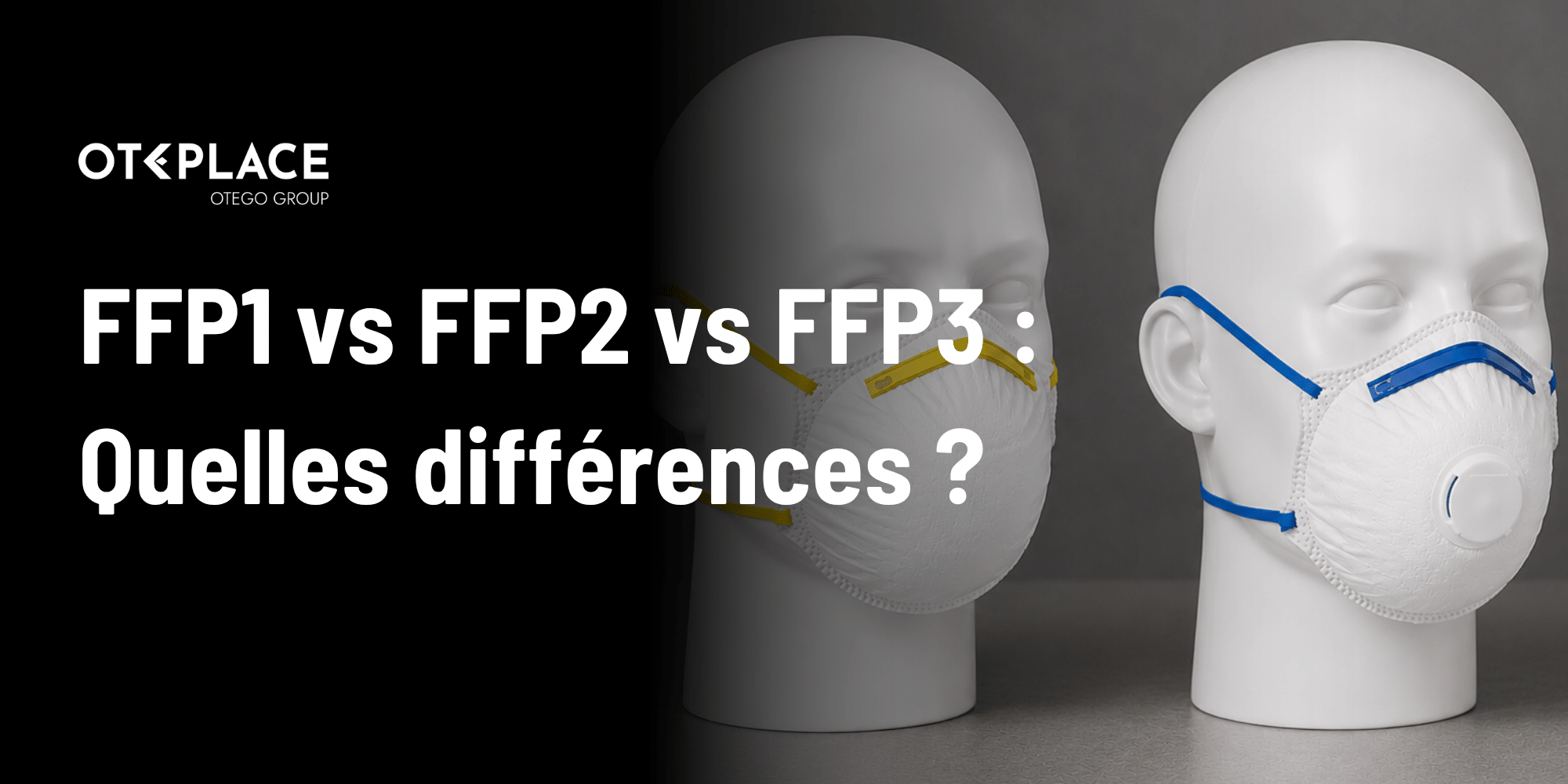
FFP1/ FFP2/ FFP3: what level of protection do you really need?
When purchasing teams compare FFP1, FFP2 and FFP3, the discussion often focuses solely on filtration rates. In reality, the right choice depends on the type of airborne respiratory hazards present, the level of exposure, and how the mask will be used in the workplace.
This guide is for safety officers, buyers, and supervisors who need practical clarity. We will explain what each level of protection means, how filtering respirators work, and how to assess which option provides adequate protection for your specific environment.
Overview of the different types of masks and personal protective equipment
Personal protective equipment refers to the equipment worn to minimize exposure to hazards that can cause injury or illness.
In the field of respiratory protection, the most common types of masks are:
- Surgical mask
- Cloth mask
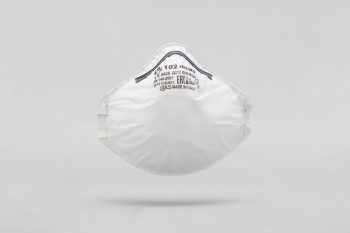
- Disposable masks
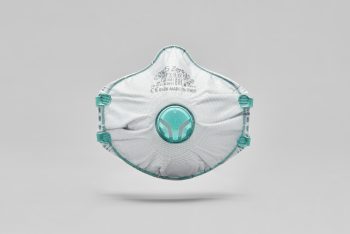
- FFP masks
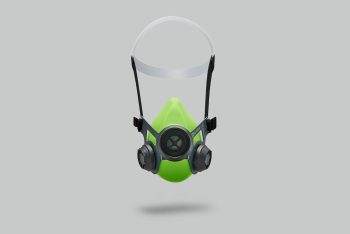
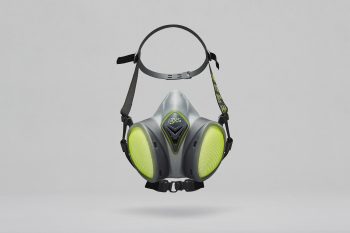
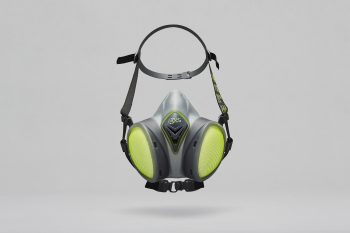
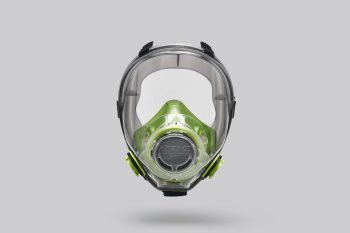
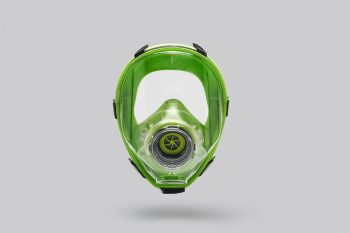
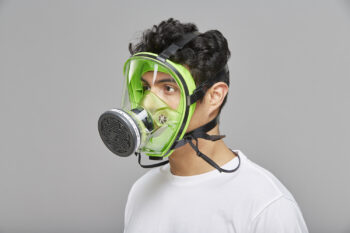
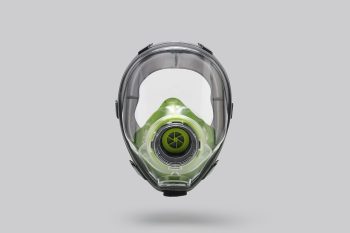
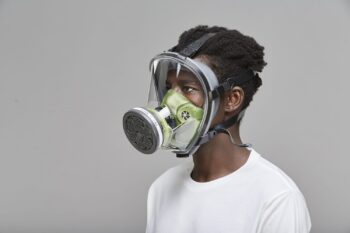
- Half-face respirators with replaceable filters
It is important to tell them apart. A surgical mask is primarily designed to block splashes and protect others from the droplets produced by the wearer. A cloth mask provides limited protection and is generally used in public settings.
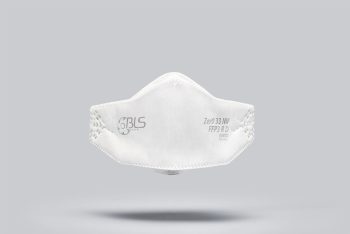
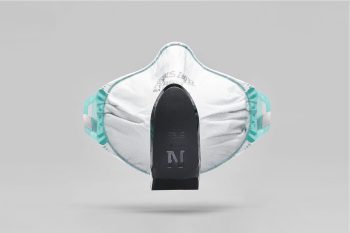
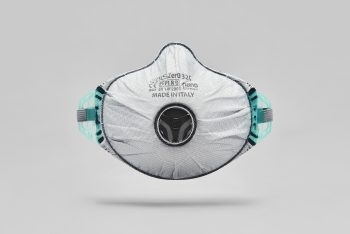
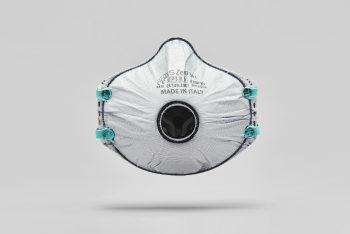
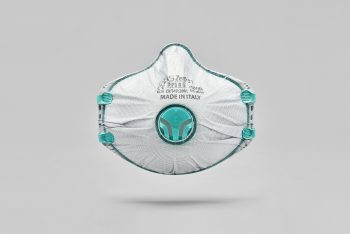
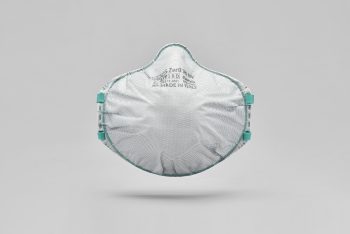
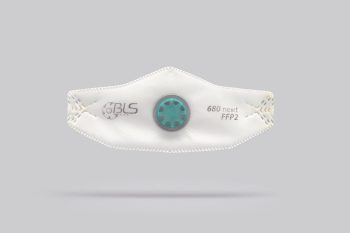
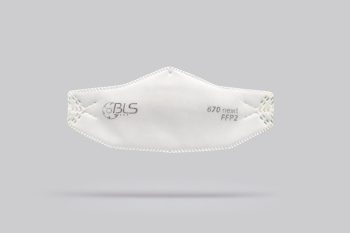
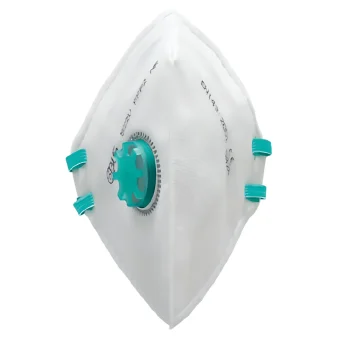
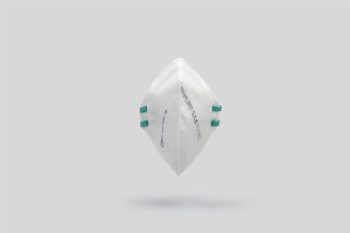
FFP masks are filtering respirators. They are designed to protect the wearer against inhaling airborne contaminants such as dust, smoke, and aerosols. They provide a tight seal to the skin, which is essential for adequate respiratory protection.
Explanation of filtering respirators
A filtering facepiece covers the nose and mouth and filters suspended particles in the air before they are inhaled. In Europe, these masks are regulated by the EN 149 standard. Comparable standards include the NIOSH classifications, such as N95 in the United States.
FFP masks are classified according to two key performance criteria:
- Minimum filtration efficiency
- Maximum total inward leakage
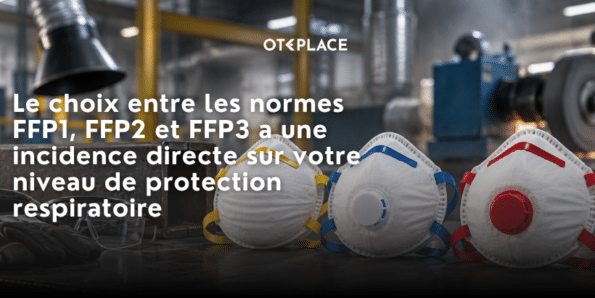
Here’s a practical comparison:
- FFP1
â—‹ Filters at least 80% of airborne suspended particles
â—‹ Maximum total inward leakage of 22%
â—‹ Suitable up to 4 times the workplace exposure limit
- FFP2
â—‹ Filters at least 94% of airborne suspended particles
â—‹ Maximum total inward leakage of 8%
â—‹ Suitable up to 10 times the workplace exposure limit
- FFP3
â—‹ Filters at least 99% of airborne suspended particles
â—‹ Maximum total inward leakage of 2%
â—‹ Suitable up to 20 times the workplace exposure limit
- The level of protection increases as filtration improves and leakage decreases.
Â
FFP1 filtering facepiece respirator
FFP1 masks are designed for environments with a low level of risk.
Among common uses, you can find:
- Gardening and agriculture
- Industrial cleaning
- Construction work involving brick dust
- Coal dust at controlled levels
- Wood dust at low concentration
FFP1 masks are suitable for dusty environments with non-toxic dust. They generally provide adequate protection against airborne suspended particles that are not considered highly dangerous to health.
However, the FFP1 class does not provide sufficient protection against toxic substances, asbestos, or infectious agents suspended in the air. In environments with higher exposure levels, a higher level of protection is necessary.
FFP2 filtering facepiece respirator
FFP2 masks offer better protection than FFP1 masks and are widely used in both the healthcare sector and industry.
Their performance characteristics are as follows:
- Filtration efficiency of at least 94%
- Maximum total inward leakage of 8%
- Equivalent to N95 in many contexts
Common applications include:
- Handling softwood
- Metals and plastics (except PVC)
- Oil mist
- Lead dust
- Moderately toxic fumes
- Protection against airborne pathogens
During outbreaks such as COVID-19, wearing FFP2 masks or equivalent N95 masks was recommended for healthcare professionals because they provide protection against infectious aerosols.
In many workplaces, FFP2 masks provide adequate protection when used correctly and with a fit test.
FFP3 filtering facepiece respirator
FFP3 masks provide the highest level of protection among FFP classifications.
Their performance characteristics are as follows:
- Filtration efficiency of at least 99%
- Total inward leakage less than or equal to 2%
- Suitable for concentrations up to 20 times the workplace exposure limit
Typical high-risk applications include:
- asbestos abatement
- dangerous powders in pharmaceutical environments
- heavy metals
- brake dust
- radioactive particles
- pathogens and highly toxic substances
FFP3 provides protection in environments where exposure to hazardous materials poses a serious health risk.
Breathing resistance is a factor to consider. Higher filtration can increase breathing effort, especially during physically demanding tasks. Comfort and wearing time should be assessed.
Fit, seal, and exhalation valve considerations
Even the best-performing filtering mask will not provide effective protection if it is not perfectly sealed.
Key points to consider:
- The respirator must fit tightly to the contours of the nose and mouth.
- A fit check must be performed every time the mask is worn.
- Facial hair prevents a proper seal and compromises protection.
- A poorly fitted mask does not provide the same level of protection as a properly fitted one.
Exhalation valve: pros and cons
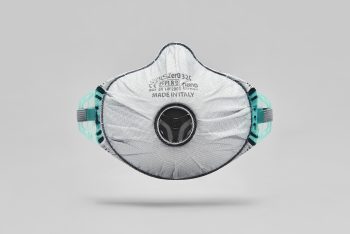
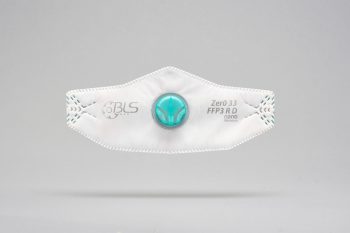
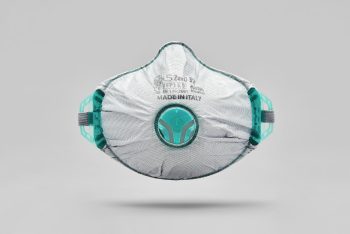
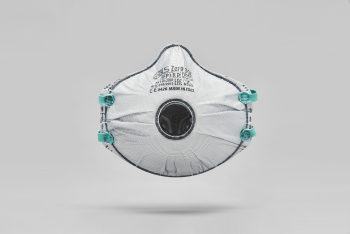
Some respirators include an exhalation valve. This can:
- Reduce heat and moisture build-up
- Improve comfort during intense work
- Make breathing easier over long periods
However:
- Valved masks do not filter the exhaled air.
- They may not protect others in contagious environments.
- Non-valved masks are generally preferred in healthcare settings.
- Â
Reusability, maintenance, and types of masks
FFP masks are labeled according to their intended use:
- NR indicates that it is a disposable mask, generally intended for a single work period.
- R indicates that it is a reusable mask beyond a work period.
- D indicates that the mask has successfully passed the dolomite dust clogging test.
Reusable masks must be stored properly and inspected before each use. FFP1 and FFP2 masks can be reused in limited situations if they show no visible soiling or damage and if the manufacturer’s instructions allow it.
FFP3 masks used when exposed to asbestos or highly toxic substances are generally considered disposable. Cleaning can damage filtering materials and reduce protection.
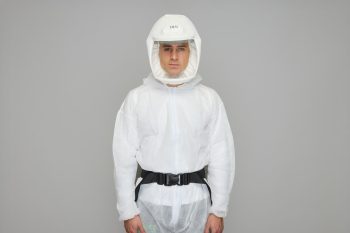
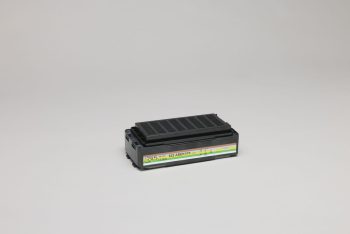
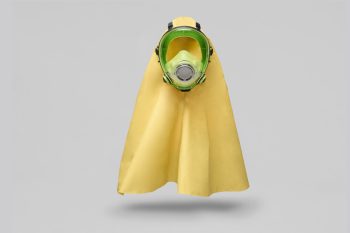
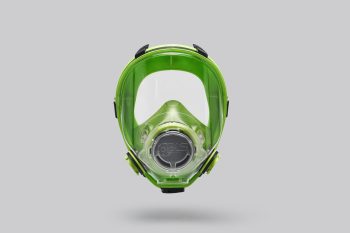
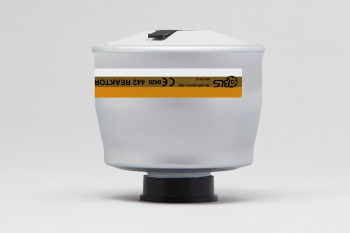
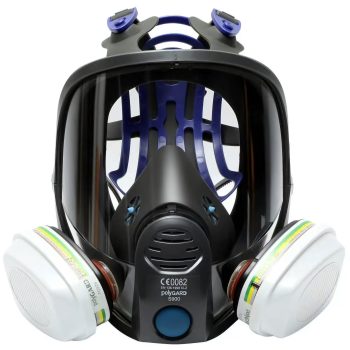
For risks related to toxic vapors, gases, or fumes, filtering facepiece respirators are not sufficient. Consider using a half-face respirator with appropriate cartridges or an air-supplied system.
Cloth masks vs FFP masks
A cloth mask provides minimal protection against fine airborne particles. It may be acceptable in low-risk community environments, but not in most industrial settings.
Surgical masks primarily protect others from droplets. They do not form a tight seal and do not provide the same respiratory protection as FFP masks.
FFP masks are designed to minimize inhalation of hazardous substances by forming a tight seal against the wearer’s skin and effectively filtering airborne particles.
Specific risks: carbon monoxide, fibers, and gases
Filtering respiratory protection devices are designed for particles, not gases.
Carbon monoxide is an odorless gas that displaces oxygen and poses a serious risk in confined spaces. FFP masks do not protect against carbon monoxide.
Before entering confined spaces:
- Use gas detectors to monitor oxygen levels.
- Assess the presence of toxic gases.
- If necessary, choose respirators specifically approved for gases and vapors.
Risks related to fibers, such as asbestos and certain fungal spores, require higher protection. In many of these cases, using FFP3-class respirators or more advanced respiratory systems should be considered.
Choosing the right respirator for your workplace
The choice between FFP1, FFP2, and FFP3 masks should be based on a structured risk assessment.
The following should be taken into account:
- The airborne contaminants present
- Whether the substances are toxic or non-toxic dusts
- The expected exposure level
- The duration of the work
- Comfort and how well the mask seals on the face
General recommendations:
- FFP1 for low-concentration non-toxic dusts
- FFP2 for risks related to infectious diseases and moderate industrial dusts
- FFP3 for exposure to highly hazardous particles
Involve workers in the selection process. Comfort and fit directly affect correct respirator use.
Regulatory standards, certification, and purchasing advice
In Europe, EN 149 governs FFP filtering respirators. Buyers must ensure that products comply with the applicable safety standards.
During supply shortages, counterfeit products have appeared on the market. Purchasing teams should:
- Check the CE marking
- Verify certification references
- Request manufacturer documentation
- Confirm product traceability
Â
Purchasing decisions should be based on verified protection, not marketing claims.
Make an informed decision about respiratory protection
Understanding the difference between the FFP1, FFP2 and FFP3 standards is not just about numbers. It’s about matching the level of protection to the actual respiratory hazards present.
- The FFP1 standard is suitable for environments with a low level of dust-related risk.
- The FFP2 standard provides protection against many infectious exposures and moderate industrial dusts.
- FFP3 provides the highest level of protection against hazardous substances and fine toxic particles.
At Oteplace, we regularly find that effective respiratory protection depends on three factors: a smart selection, correct fit, and verified certification. The right respirator must match the real risk present in the workplace.
A rigorous selection protects health, supports compliance, and ensures workers can breathe safely while performing their tasks.