Test of metal sparks: do you need respiratory protection?
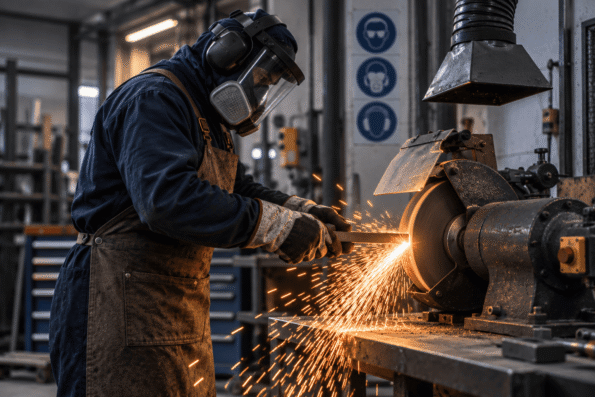
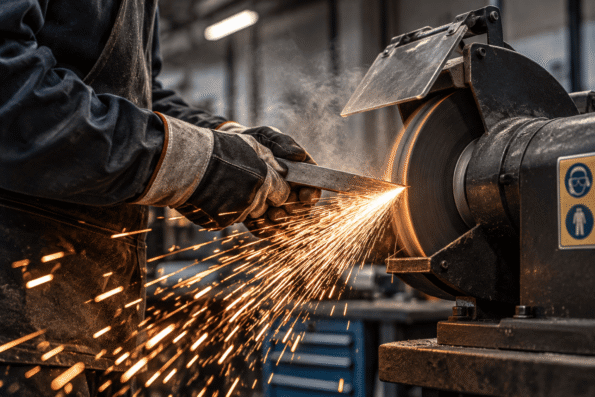
The test of metal sparks is a quick method for identifying the type of metal used. The principle is simple. The metal is brought into contact with a grinding wheel. The type of material can then be assessed by observing the shape and behavior of the sparks.
However, this apparently simple operation can release harmful fumes and metallic dust into the air. Breathing these particles without protection can damage the lungs over time. That is why PPE and good safety practices are essential, even for short-duration operations.
Why is safety important when working with metals?
Sparks, fumes, and air contaminants
Working with metals often involves grinding, cutting, or welding operations. These activities can generate sparks, hot dust, and fumes. Without suitable protection, workers nearby may inhale metal particles without even realizing it.
The risk increases in confined or poorly ventilated areas. Fumes can build up there and make the air dangerous to breathe. It is therefore important to implement good safety practices. Local extraction ventilation systems also help remove contaminants from the air.
The spark test requires suitable PPE
The spark test may seem not very dangerous. However, that is not the case. When the grinding wheel contacts the metal, it pulls off tiny particles. These are then thrown into the air. Some may remain suspended and enter the nose and respiratory tract.
Even brief exposure can pose a risk. This is especially important when the metal contains harmful substances such as lead, manganese, or chromium. Respiratory protection and eye protection therefore play an essential role during these operations.
What health risks are associated with the spark test?
The spark test can expose workers to different fumes and particles. Without suitable protection, even short exposure can cause respiratory problems in the short or long term.
1. What contaminants can be released?
When the metal comes into contact with the grinding wheel, friction generates heat. Fine dust and fumes can then be released into the air.
Indeed, several types of contaminants may be present:
- Metal fumes: they form when the metal vaporizes due to the heat. As it cools, it forms very small particles suspended in the air.
- Metal dust: these are small solid particles torn from the metal by friction.
- Oxides: these chemical compounds appear when the metal reacts with oxygen. This can include, for example, iron oxide or chromium oxide.
- Silica dust: they may be present if the grinding wheel or surrounding surfaces contain silica.
- Abrasive wheel particles: small fragments from the grinding disk can also be found in the air.
In addition, these particles can remain suspended for several minutes.. The phenomenon is particularly significant when ventilation is insufficient.
2. What are the short-term effects?
Thus, short exposure can already cause symptoms.
Workers may experience, in particular:
- coughing;
- a sore throat;
- a feeling of chest tightness;
- shortness of breath;
- irritation of the eyes or nose.
In addition, some people may develop symptoms similar to those of the flu a few hours after exposure.
This phenomenon is often called foundry fever or metal fume fever. It occurs mainly after exposure to zinc, copper, or magnesium fumes.
3. What are the long-term risks?
Regular exposure to the fumes and dust produced during the spark test can lead to more serious health problems.
The document identifies, in particular:
- chronic bronchitis;
- asthma or similar symptoms;
- permanent lung damage or scarring;
- lung cancer, especially in cases of exposure to hexavalent chromium and nickel;
- nervous system disorders related to manganese exposure.
In addition, damage can accumulate over repeated exposures. Some symptoms may also take several years to appear.
4. Sparks and heat: what are the main risks?
Unlike welding or torch cutting, the spark test involves less direct contact with intense heat. However, there is still a risk of burns. Sparks can reach the skin or eyes. But the least visible danger comes from inhaling potentially harmful particles.
Indeed, because the sparks are less intense, it is easy to think the operation has little risk. Yet the fumes and grinding dust can also present a significant hazard. They are even more problematic when they are sometimes difficult to detect.
What PPE should be used for the spark test?
Suitable PPE protects the worker against multiple hazards: fumes, projected particles, heat, and burns.
The equipment must be tailored to the task. It must also be used correctly during each operation.
1. Respiratory protection
Respiratory protective equipment reduces lung exposure to dust and metal fumes.
According to the document, respiratory protection should be considered in particular when:
- ventilation is insufficient;
- high-risk metals are being tested;
- the work involves stainless steel, high-manganese steel, or tool steels;
- grinding or the spark test is carried out over an extended period.
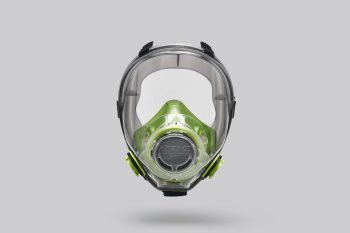
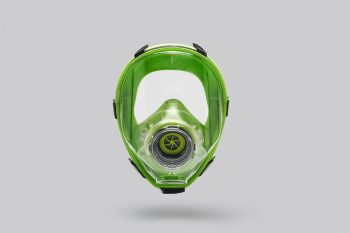
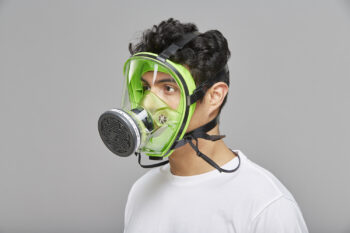
Which respirator mask should you use?
Thus, several solutions are possible depending on the level of risk.
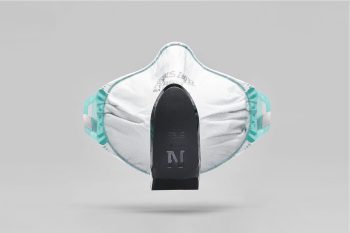
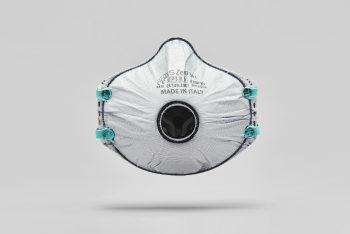
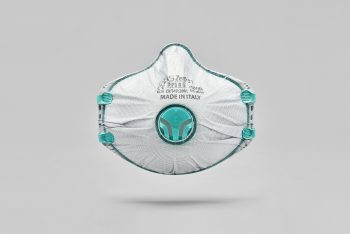
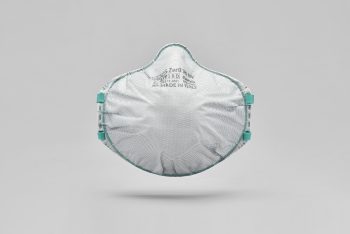
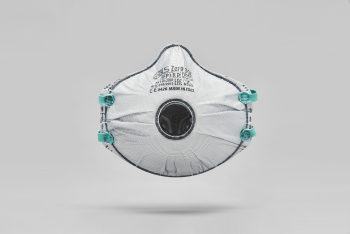
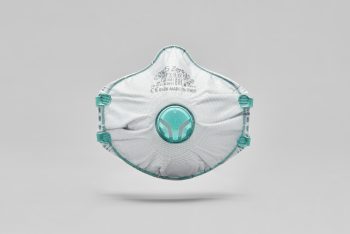
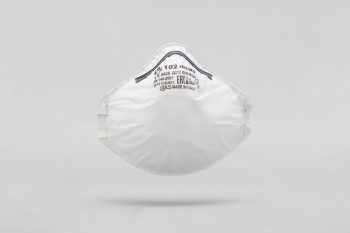
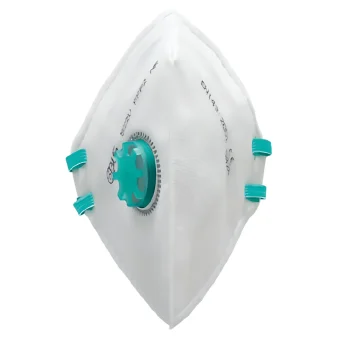
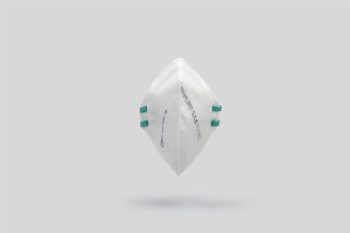
A disposable P1 mask protects against coarse particles. It is mainly intended for light work.
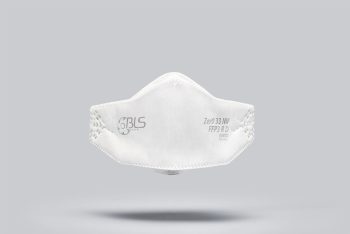
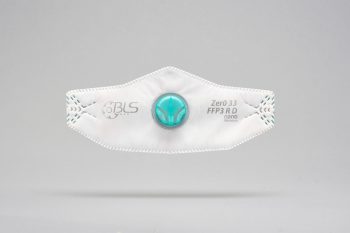
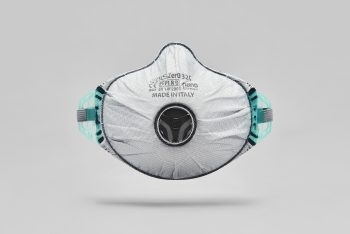
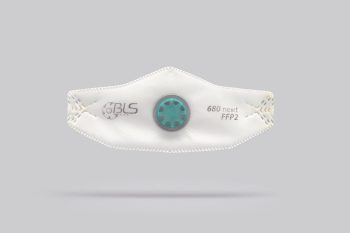
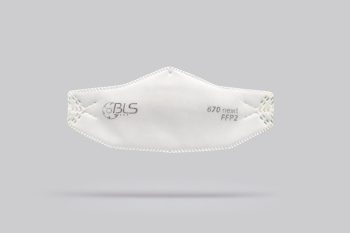
A disposable P2 mask filters finer dust and mist. The document presents it as suitable for the spark test.
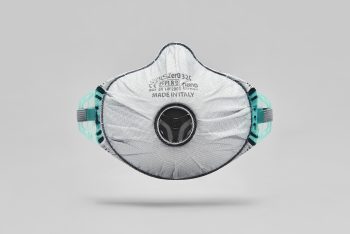
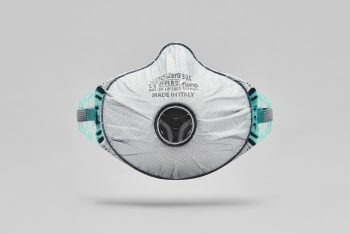
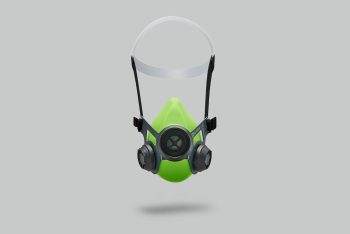
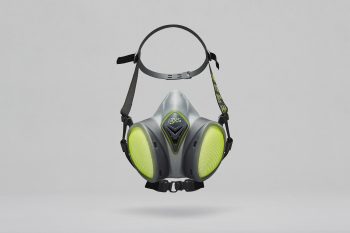
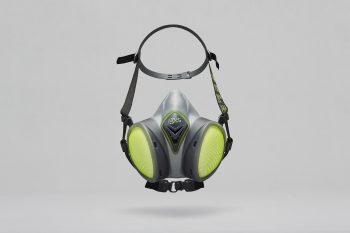
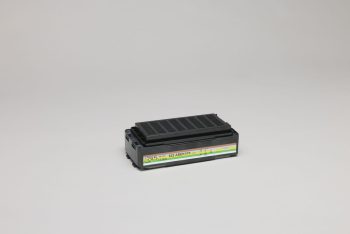
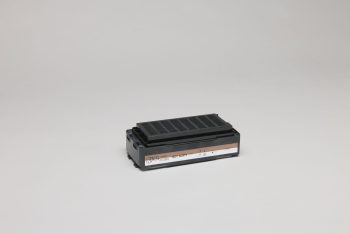
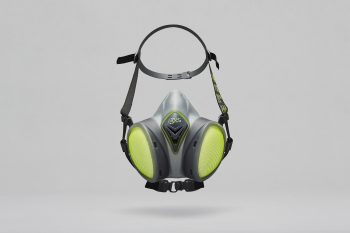
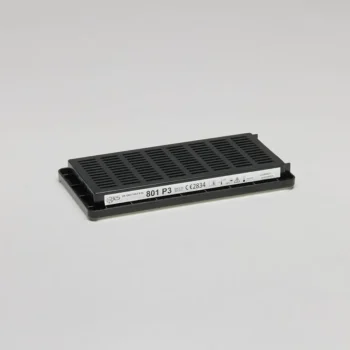
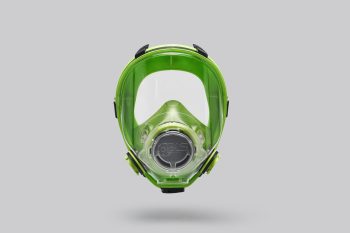
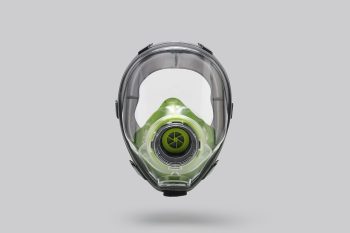
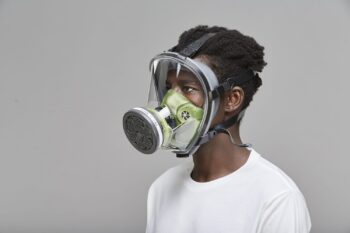
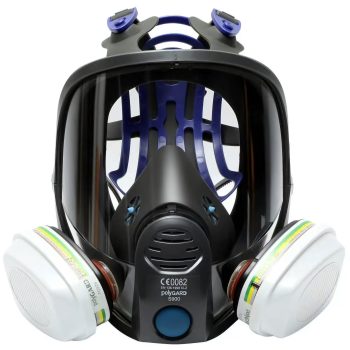
For better sealing, a reusable half-mask can be used with replaceable P2 or P3 filters.
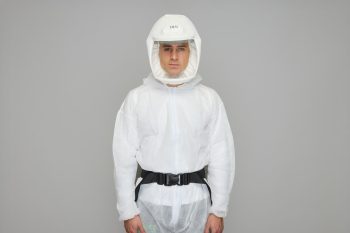
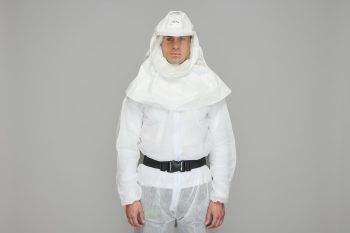
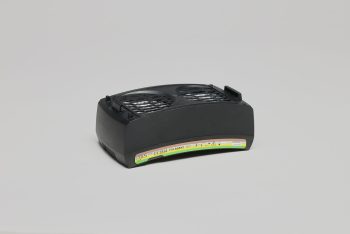
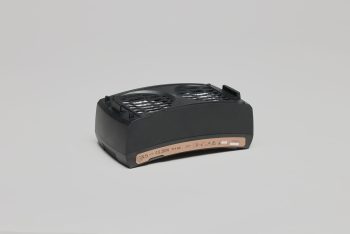
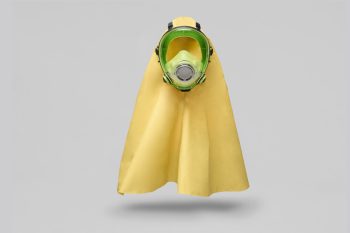
Finally, a PAPR, or powered air-purifying respirator, uses a battery-powered fan. This draws air through the filters before sending it to the mask or hood.
How should you use a respirator correctly?
Before starting work, always check the seal around the nose and mouth.
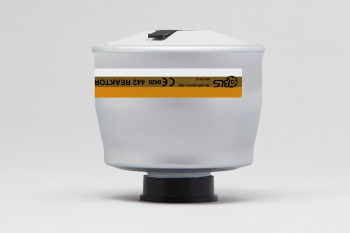
In addition, filters must be replaced regularly. To find the appropriate schedule, follow the manufacturer’s recommendations.
Also, reusable masks must be cleaned every day. They should then be stored in a closed container.
Finally, perform a fit test. It makes it possible to verify that the chosen model suits the shape of the face.
Which standards should you look for?
In Australia, the document recommends checking that respirators are certified according to the AS/NZS 1716 standard.
For fine particles, look for a classification P2 or higher.
Avoid masks that do not have certification or appropriate labeling.
2. Eye and face protection
Sparks can bounce off surfaces or be projected directly toward the face. Tiny metal fragments can also reach the eyes and cause injuries.
To limit these risks, several types of equipment can be used:
- impact-resistant safety goggles that fully enclose and resist impacts;
- a face shield, used together with the goggles to protect the entire face;
- safety glasses, which can also reduce risks when the projection of sparks is lower.
The document mentions compliance AS/NZS 1337.1 for impact-resistant safety goggles. Eye protection must be worn during the spark test. It is particularly important in narrow spaces. Sparks can more easily bounce off nearby surfaces.
Polycarbonate lenses provide impact and heat resistance. Side protection also helps prevent particles from entering from the sides.
Finally, an anti-fog treatment helps maintain good visibility during work.
3. Hand and body protection
Sparks can reach the skin or get trapped in clothing. You should therefore prioritize materials that do not burn and do not melt easily.
The document recommends, in particular:
- heat-resistant gloves and cut-resistant, to protect hands from sparks and sharp metal edges;
- flame-resistant clothing, such as long sleeves, jackets, or aprons;
- materials such as treated cotton or leather;
- long trousers and closed shoes.
Synthetic fabrics such as polyester or nylon should be avoided according to the document’s recommendations. The trousers must be made from a material that does not melt. This helps protect against molten metal splash exposures and sparks.
How should you use this PPE?
Wear gloves and long sleeves every time you handle a grinder or carry out a spark test. Clothing must be sufficiently fitted to prevent it from catching on a machine. However, it must remain loose enough to allow free movement.Likewise, PPE must also be cleaned regularly. Check for the presence of holes, burns, or other signs of deterioration.
Regarding standards, the document recommends FR clothing compliant with AS/NZS 4824.Quality protective gloves must meet the standard EN 388, or a similar standard, regarding resistance to abrasion and cuts.
Finally, protective clothing must cover all exposed areas, especially the arms and legs.
4. When should non-conductive clothing be worn?
Some environments require non-conductive PPE. This can include, in particular, certain chemical installations or work involving glass-lined tanks.
In these situations, the document recommends:
- boots with rubber soles;
- an anti-static suit;
- insulating gloves.
These types of equipment reduce the risk of electric shock or static discharge during the spark test in high-risk areas. They can be used in particular in confined spaces where the risk related to spark accumulation is higher.
Build a safety culture for the metal sparks test
Respiratory protection plays an essential role during the metal sparks test.According to the document, it helps meet safety requirements and reduces the risk of long-term health problems. Neglecting this protection can lead to serious respiratory issues. It can also put the company in a non-compliance situation.However, good practices are not limited to wearing a mask.
You must choose the right filters, follow the applicable certification standards, and regularly inspect the equipment. Without these precautions, even a short operation can result in significant exposure to harmful dust and fumes. To work safely and meet regulatory requirements, employers and workers must treat respiratory protection as an integral part of the job.
Certified PPE must be available. Training must be clear. Finally, each worker must apply the safety procedures correctly.