

Workers in the oil and gas industry face elevated fire and explosion risk because the extraction, transportation, and processing of highly flammable materials sit at the centre of normal operations. The risk is compounded by the operating environment: oil and gas sites are often remote, with limited access to emergency services, and the equipment and processes involved require specialised training and expertise to operate safely.
This article covers the four most common sources of fire and explosion risk in oil and gas operations, the prevention measures that reduce occurrence, and the equipment categories that detect, contain, and suppress incidents when they occur.
Common Risks of Fire and Explosion
Understanding the sources of fire and explosion risk is the foundation of a safety program for any oil and gas operation.
Ignition Sources
Ignition sources such as open flames, sparks, and hot surfaces pose a significant risk of flash fires and explosions in the oil and gas industry. Mitigation requires proper electrical grounding and bonding, elimination of unauthorised flames and spark-producing tools, and insulation or guarding of hot surfaces to prevent accidental contact with flammable materials.
Fuel Sources
Flammable gases, liquids, and combustible dust are prevalent across oil and gas operations, particularly in high-pressure environments such as gas pipelines, storage tanks, and process vessels. Proper storage, transportation, and handling of these substances are essential to prevent fires and explosions. Employee training on identifying and safely managing potential fuel sources is a baseline requirement.
Confinement
Containment of flammable materials creates explosion risk, particularly in confined spaces where flammable gases and vapours can accumulate to dangerous concentrations. Tanks, pipelines, and process vessels are the recurring examples. Risk is managed through ventilation policies for confined spaces, monitoring of vapour concentrations against lower explosive limits (LEL), and regular equipment inspections to identify leaks before accumulation becomes hazardous.
Equipment Failure
Pumps, pressure vessels, heat exchangers, and process piping can all malfunction in ways that introduce fire or explosion risk. Regular maintenance, testing, and inspection of critical equipment identify faults before they escalate. Beyond accident prevention, consistent inspection extends equipment service life and reduces unplanned downtime.
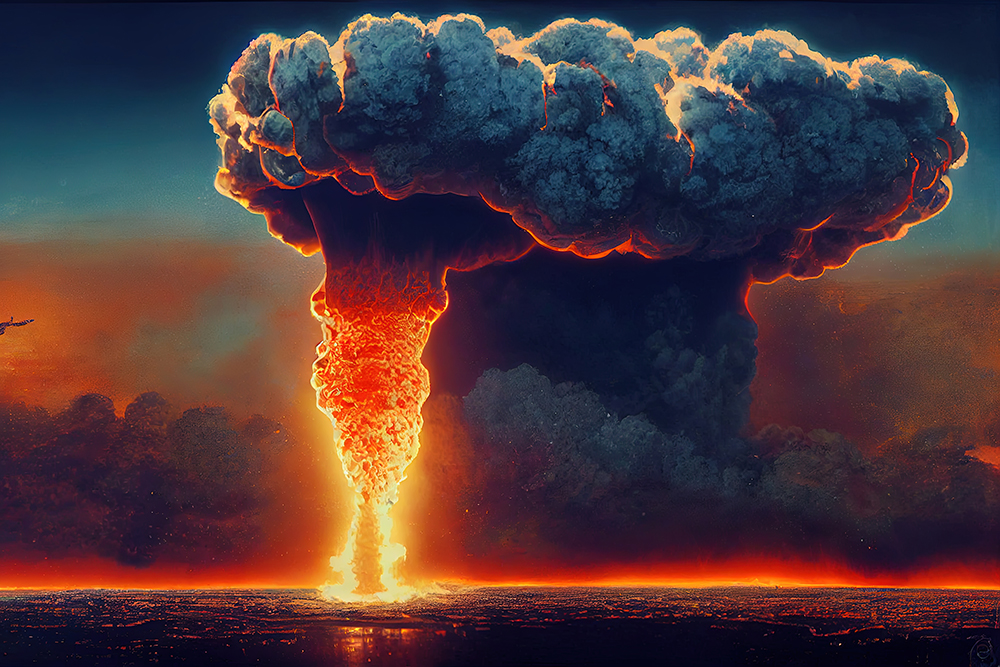
Measures to Prevent Explosion
Ensuring Proper Ventilation
Effective ventilation maintains a safe oxygen level, reduces the concentration of flammable gases or vapours, and lowers the likelihood of explosion. Ventilation can be achieved through mechanical systems or natural means depending on the operating environment. Regular maintenance, including cleaning and repairs, ensures the system continues to perform as designed.
Implementing Electrical Safety Protocols
Electrical safety protocols prevent the electrical faults that ignite many oil and gas fires. These include proper installation and maintenance of equipment, grounding to dissipate static charge, and circuit breakers to interrupt faults before they generate sparks. In hazardous areas, electrical equipment must be certified for the relevant zone classification (ATEX zones in Europe, Class I Division 1 or 2 in North America).
Using Inert Gas Purging Systems
Inert gas purging displaces flammable gases by replacing air with inert gases such as nitrogen or carbon dioxide in equipment and storage tanks. This reduces the concentration of flammable materials below the lower explosive limit, significantly lowering the risk of explosion during maintenance, startup, and shutdown operations.
Using Explosion Suppression and Detection Systems
Explosion suppression systems detect and suppress fires before they spread, using water, foam, or chemical agents depending on the application. Explosion detection systems identify the presence of flammable gases at low concentrations and activate alarms for immediate evacuation. Detection methods include infrared, catalytic, and electrochemical sensors, each suited to different gas types and operating conditions.
On oil rigs, fixed flame and gas detection systems use infrared and ultraviolet sensors to identify ignition events and trigger evacuation alarms. Point gas detection systems use fixed sensors at specific locations such as wellheads, valves, and process equipment. Portable detection systems with electrochemical sensors allow workers to confirm gas presence in real time during inspection and maintenance work.
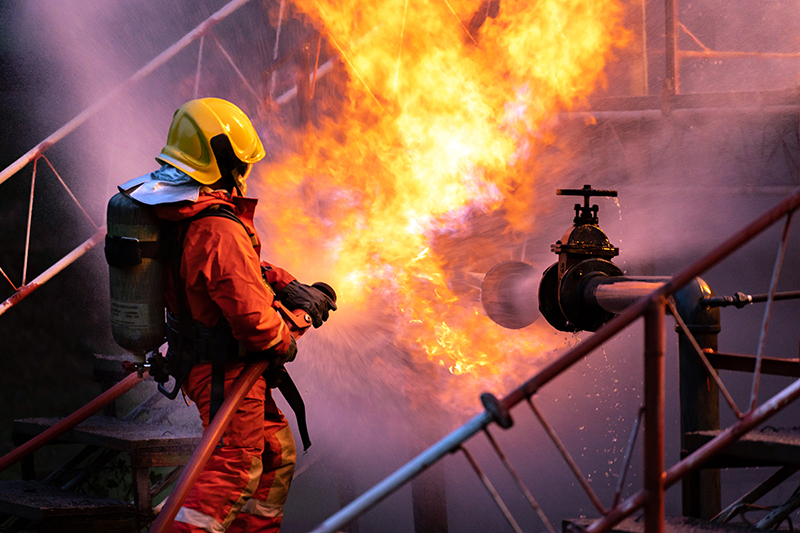
Equipment for Explosion Protection
Explosion-Proof Electrical Systems
Explosion-proof electrical systems are designed to prevent flames or sparks from escaping the electrical equipment by containing any internal ignition within a sealed enclosure capable of withstanding the resulting pressure. This containment prevents propagation to the surrounding atmosphere. Equipment selection follows the area classification: ATEX-certified equipment for European installations, and Class I Division 1 or 2 rated equipment for North American installations.
Flame Arrestors
Flame arrestors are installed on pipes and vents to prevent external flames from entering confined spaces, and to prevent internal flames from propagating outward. They contain a mesh or heat-absorbing element that separates the flame from the flammable mixture, blocking flame travel while allowing gases or vapours to pass through.
Pressure Relief Valves
Pressure relief valves protect tanks, pipes, and vessels from overpressure events by opening when internal pressure reaches a predetermined set point. This controlled release maintains pressure at a safe level and prevents the catastrophic failure that can produce a vapour cloud explosion.
Reducing Fire and Explosion Risk in Oil and Gas Operations
Reducing fire and explosion risk in oil and gas operations is built on layered controls, not single systems. Ventilation reduces flammable gas concentration. Inert gas purging removes oxygen from confined spaces. Explosion-proof electrical equipment prevents ignition. Detection systems identify problems before they escalate. Suppression systems contain incidents that do occur. Administrative controls and training tie the equipment to the people operating it. Each layer addresses a different failure mode, and the assembly works because no single layer is asked to carry the full load.