
Using the Appropriate Molten Metal PPE for Workers
The world of metallurgy and foundry is a fascinating one, filled with the transformation of raw
materials into something new and useful. However, it’s also an environment that can pose
significant hazards to its workers. The heat and splatter of molten metal, the dust and fumes,
and the intense noise are just a few of the dangers faced in these industries. Therefore, the
role of personal protective equipment (PPE) becomes critical in ensuring the safety of these
brave workers.
What Are the Dangers of Molten Metal to
Workers
Working with molten metal presents a range of dangers to workers due to the extremely high
temperatures and the properties of molten metals. Some of the primary dangers include:
-
Burns and Injuries: The hot furnace and molten metal can reach temperatures
well above 2,000°F (1,093°C). Even brief contact can cause severe burns (or even
fatal burns), leading to excruciating pain and long-lasting injuries. Splashes,
spills, or accidental contact with molten metal pose a significant risk to workers. -
Heat Stress: The intense heat from molten metal operations can cause heat
stress, leading to symptoms like dizziness, nausea, fatigue, and, in extreme cases,
heat stroke. Prolonged exposure to high temperatures without proper cooling measures
can result in serious health issues. -
Radiant Heat: Molten metal emits intense radiant heat, which can cause burns
to
workers even if they aren’t in direct contact with the metal itself. This is
particularly hazardous in environments with reflective surfaces that can amplify
radiant heat. -
Metal Fumes and Dust: Molten metal processes release fumes and fine dust
particles that can be inhaled by workers. These fumes can contain
toxic metals and
compounds, leading to respiratory issues, lung diseases, and long-term health
problems. -
Eye Injuries: Molten metal splashes can cause eye injuries, including burns
and
potential damage from flying debris. Workers need proper eye protection to prevent
these types of injuries. -
Clothing Ignition: Regular clothing can catch fire when exposed to molten
metal. This can result in serious injuries and even fatalities. Proper protective
clothing is essential to prevent this risk. -
Explosions: When water or moisture comes into contact with molten metal, it
can cause explosive reactions due to rapid vaporization. This molten metal hazard
can lead to severe burns, injuries, and hazardous splattering of materials.
Composition of Molten Metal PPE
-
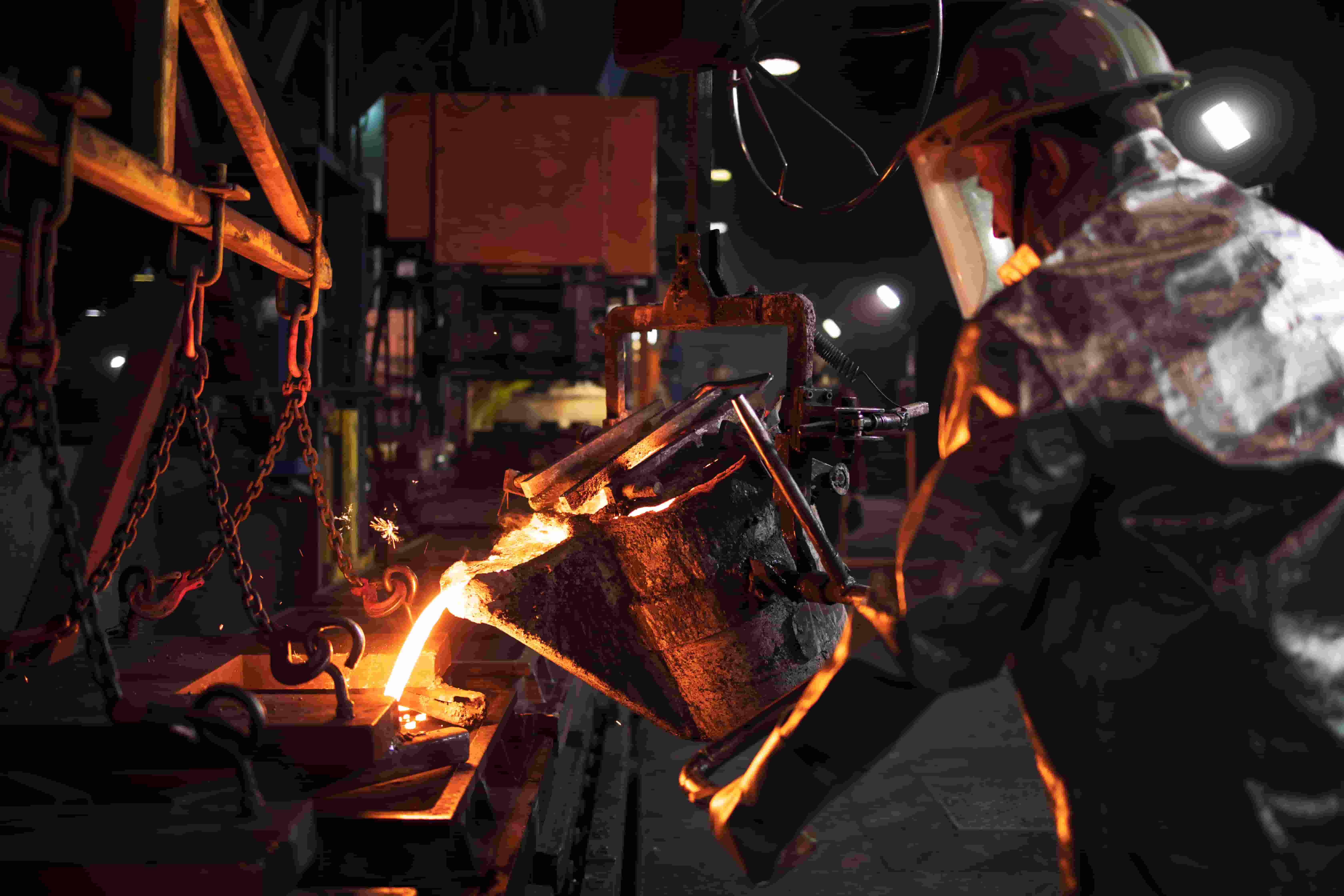
Fire-Resistant Outer Layers: The outer layers of molten metal PPE are built to
withstand high temperatures. These layers are often made from advanced materials
like
aluminized fabrics or flame-resistant blends, ensuring that workers are
well-protected
against radiant and contact heat with molten metals. -
Heat-Reflective Properties: This bounces off the intense heat, preventing it
from
penetrating the layers and reaching the worker’s skin. This ingenious technology
allows
workers to withstand extreme heat while maintaining comfort and mobility. -
Splash Protection: Splash protection in molten metal PPE is designed to
prevent
molten metal splash from making contact with the skin. This is particularly
important,
as even a small splash can cause severe burns. -
Insulation and Comfort: Modern molten metal PPE isn’t just about protection;
it’s
about ensuring workers can move freely and stay comfortable during their shifts.
Innovative designs and materials keep workers cool by wicking away sweat and
allowing
air circulation.
Key Components of Molten Metal PPE
In the scorching
environment of metallurgy and foundry industries, the importance of proper PPE cannot be
overstated. Each component of molten metal PPE plays a crucial role in safeguarding workers from
the various hazards they face daily.
-
Protective Clothing: The First Line of Defense
- Full-Body Coverage: To ensure comprehensive protection, PPE should cover the
entire body, from head to toe. Suits should have long sleeves and pants, and often
include integrated hoods and boot covers. - High Collars and Closures: High collars and secure closures, such as zippers,
snaps, and hook-and-loop fasteners, help prevent molten aluminum, iron, and other
metals from entering the suit. - Reflective Strips: Some PPE includes reflective strips for increased
visibility in low-light environments, enhancing safety.
- Full-Body Coverage: To ensure comprehensive protection, PPE should cover the
-
Footwear: Sturdy Protection for the Lower Extremities
- Heat-Resistant Soles: Molten metal environments pose risks not only to the
upper body but also to the feet. Heat-resistant soles are a critical feature of
molten metal footwear. These soles are designed to resist high temperatures,
preventing the heat from transferring to the feet and ensuring the worker’s comfort
and safety. - Metatarsal Guards: The metatarsal region of the foot is particularly
vulnerable to impact and compression injuries. Some molten metal footwear includes
metatarsal guards that provide an additional layer of protection to this area,
reducing the risk of injuries from falling objects. - Toe Caps: o guard against heavy objects or molten metal drips, molten metal
footwear often includes reinforced toe caps that meet industry safety standards for
impact and compression resistance. - Slip-Resistant Tread: A slip-resistant tread is crucial for maintaining
stability in slippery environments.
- Heat-Resistant Soles: Molten metal environments pose risks not only to the
-
Head and Face Protection: Safeguarding the Most Vital Senses
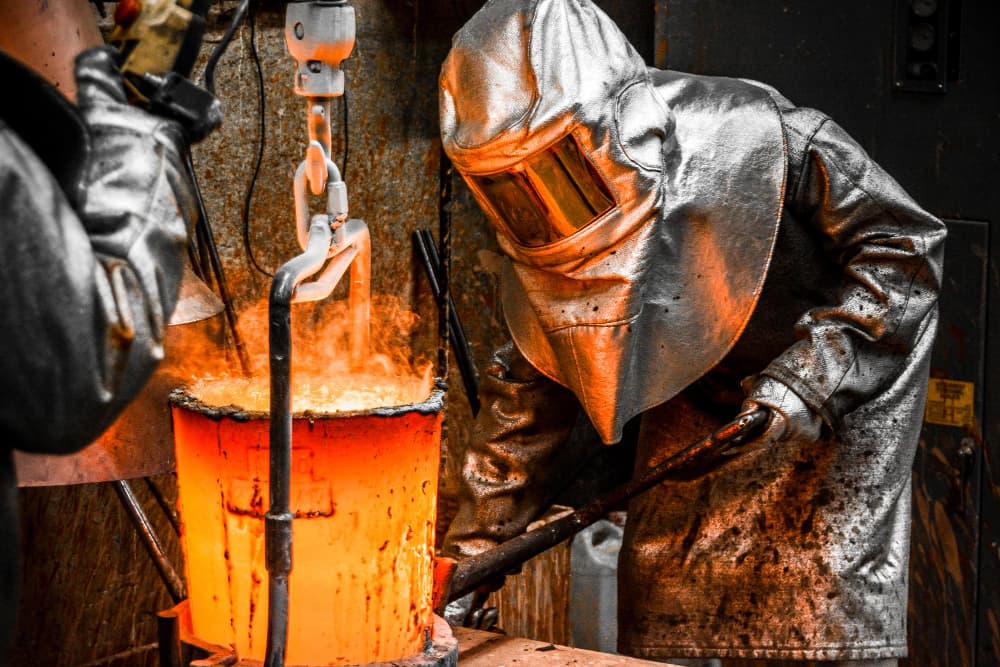
- Aluminized Hoods: The head and face are sensitive areas that require
specialized protection. Aluminized hoods are designed to shield the head and neck
from radiant heat, molten metal splashes, and sparks. These hoods are integral to
preventing injuries to the face and scalp. - Face Shields and Visors: Workers often wear face shields or visors that
provide a clear view while offering protection against molten metal splashes and
other flying debris. These transparent shields ensure that the worker’s eyes, face,
and neck are shielded without impeding visibility. - Hard Hats: In environments where falling objects are a concern, hard hats are
essential. Some hard hats are equipped with additional features such as aluminized
coatings or reflective materials to enhance protection and visibility. - Respiratory Protection: In environments with toxic fumes or gasses, workers
should wear respiratory protection that complies with industry standards.
- Aluminized Hoods: The head and face are sensitive areas that require
-
Hand Protection: Precision and Safety Go Hand in Hand
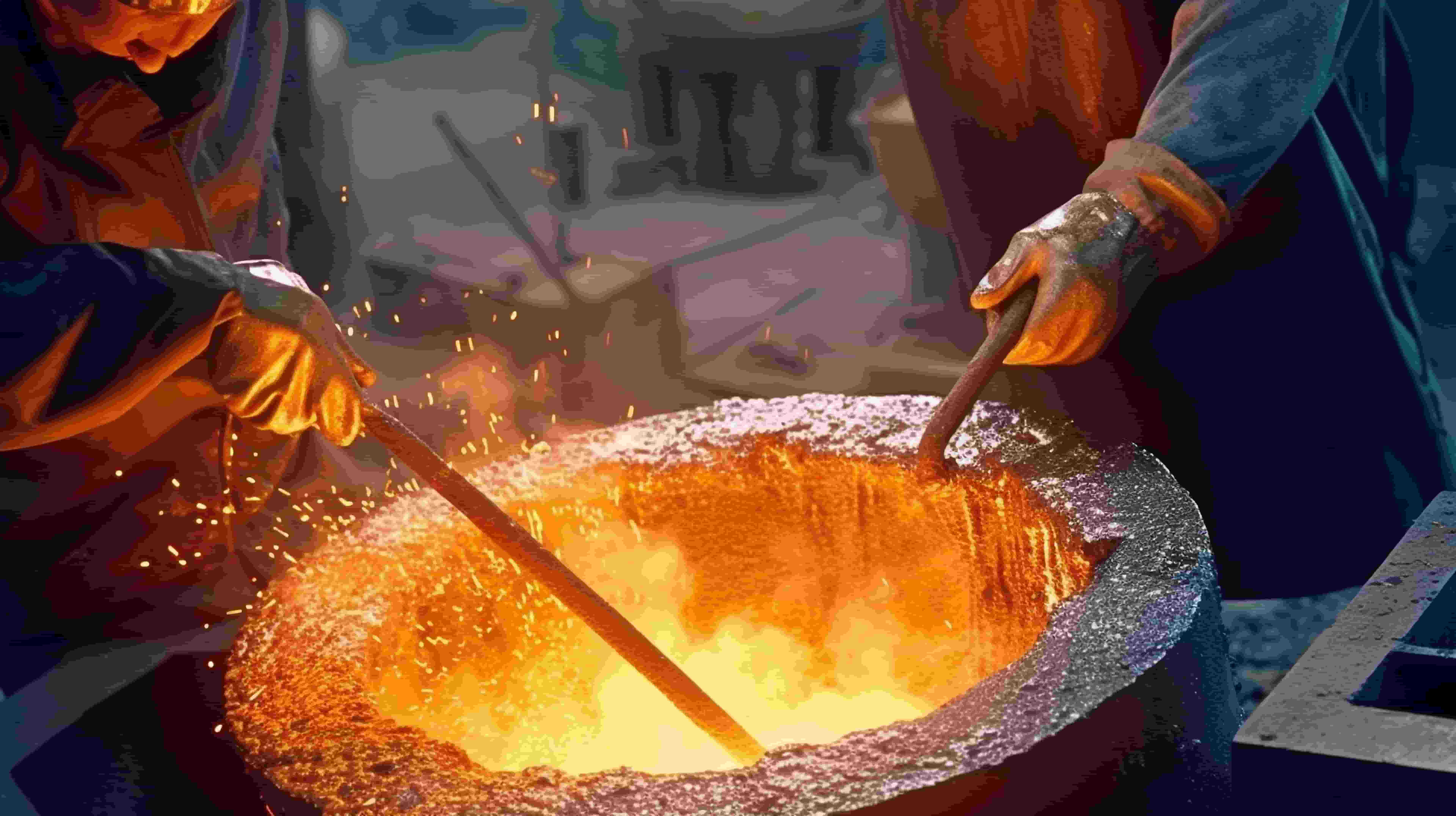
- High-Temperature Gloves: The hands are at the forefront of tasks involving
molten metals. High-temperature gloves are crafted from materials that can withstand
extreme heat and provide a barrier against splashes. These gloves ensure that
workers can handle hot objects and molten materials with precision and safety. - Cuff Protection: Glove cuffs are an often-overlooked area that can be
vulnerable to splashes. Some gloves have extended cuffs designed to overlap with the
protective clothing, providing a seamless barrier against molten metal entry.
- High-Temperature Gloves: The hands are at the forefront of tasks involving
Choosing the Right Molten Metal PPE:
Key Factors to Consider
When it comes to selecting molten metal PPE for your workers, the choices you make can have a
profound impact on their safety and well-being. Here are some essential factors to consider
when evaluating and choosing the right PPE:
-
Material Quality and Heat Resistance: The materials used in PPE are the
frontline defense against extreme heat and molten metal splashes. Look for
high-quality materials like aluminized fabrics. These materials should be
heat-resistant and capable of withstanding the temperatures associated with your
specific industry and tasks. -
Protection Coverage: Full coverage is paramount. Ensure that the PPE you
choose provides complete protection, covering the entire body from head to toe. Any
exposed areas can potentially be vulnerable to molten metal splashes or radiant
heat. -
Certification and Compliance: Always choose PPE that meets or exceeds industry
standards and regulations. Look for certifications from reputable safety
organizations such as OSHA, ISO, or ANSI. These certifications are a clear indicator
that the gear has undergone rigorous testing and meets the necessary safety
requirements. -
Comfort and Mobility: PPE that’s uncomfortable or restrictive can hinder
productivity and compliance. Seek gear with ergonomic designs, stretch panels, and
articulated joints. Workers should be able to move freely and comfortably without
compromising safety. -
Durability and Longevity: Molten metal environments are harsh, and PPE must
stand up to the challenge. Look for gear that is designed to be durable and
resistant to wear, tear, and exposure to extreme temperatures. Investing in
long-lasting PPE can save costs over time. -
Ease of Maintenance: Regular maintenance is key to ensuring the effectiveness
of PPE. Choose gear that is easy to clean and maintain. Check if the materials are
resistant to contaminants and if the gear can be easily inspected for damage. -
Customization Options: Different tasks within the same industry may require
varying levels of protection. Consider gear that offers customization options, such
as detachable hoods or interchangeable accessories. This allows workers to tailor
their PPE to the specific demands of their tasks. -
Visibility Enhancements: In environments with low visibility, high-visibility
elements like reflective strips can enhance safety. Make sure the PPE you choose has
adequate visibility features to prevent accidents in challenging lighting
conditions. -
Employee Feedback and Comfort: Involve your workers in the PPE selection
process. Their comfort and feedback are invaluable in ensuring the gear’s
practicality and usability. Workers are more likely to comply with safety protocols
if they feel their needs and comfort are taken into account. -
Supplier Reputation and Support: Choosing a reputable supplier with a track
record of providing high-quality safety gear is essential. Look for suppliers that
offer support, guidance, and assistance in selecting the right PPE for your specific
industry and tasks.
Molten metal PPE is a comprehensive system that includes protective clothing, footwear, head
and
face protection, and hand protection. These components work in harmony to shield workers
from
the myriad dangers of
molten
metal, including burns, splashes, radiant heat, and more. Choosing
high-quality PPE that meets industry standards and ensuring proper fit and maintenance is
essential to creating a safe work environment in metallurgy and foundry industries.