
Surviving The Heat: Dangers Of Working In Hot Environments
Working in hot environments can be dangerous, and equally stressful. Heat exhaustion,
dehydration, and heat stroke are all common conditions that workers can experience
when working under hot conditions.
Such heat-related illnesses can even lead to fatalities in extreme cases. This is why it is
essential to
educate workers and employers
to take the necessary precautions to ensure a safe working environment.
s
In this blog, we will discuss the dangers of working in hot environments, identify the
various industries where this practice is common, and the measures that can be taken
to protect workers’ health and safety.
Working in Hot Environments
In regions with predominantly cold climates or during winter seasons, companies
prioritized keeping workers warm to ensure their comfort and prevent cold-related
illnesses. Industries such as agriculture, construction, and manufacturing often
operated
in outdoor or poorly insulated environments, where protection from the cold was crucial
for worker safety and productivity.
Workers continue to be exposed to high levels of heat in factories, steel production,
coal
mines, and agriculture. While protective measures such as heat-resistant clothing and
engineering controls (e.g., ventilation systems) are important for mitigating
heat-related
risks, they may involve significant upfront costs. Companies found it more
cost-effective
to focus on measures that help employees cope with the heat, such as providing cooling
stations, training on heat stress management, and flexible work schedules, rather than
investing in extensive infrastructure or equipment modifications.
What Are The Different Types Of Heat Hazards?
Heat hazards in the workplace may seem like a minor issue, but they can actually lead
to fatal consequences. Workers who are exposed to extreme heat for long periods of
time are at risk of suffering from heat illnesses like stroke,
exhaustion,
and dehydration.
And with the effects of climate change becoming more
evident, the instances of heat
hazards in the workplace are increasing. This is why it is important to understand the
different types of heat hazards that workers may face, so that they can be prevented, mitigated, and managed.
- High Temperatures
The most common type of heat hazard is working in high temperatures. Workers who
are required to work outdoors, or in poorly ventilated indoor spaces, are at
risk of
being
exposed to high heat levels, with an almost constantly high body temperature.
High temperatures can cause dehydration, dizziness, and fatigue, which can lead
to
reduced productivity and even accidents. Workers who are exposed to hightemperatures should take regular breaks, have access to shaded areas, and be
provided with adequate amounts of water. - Radiant Heat
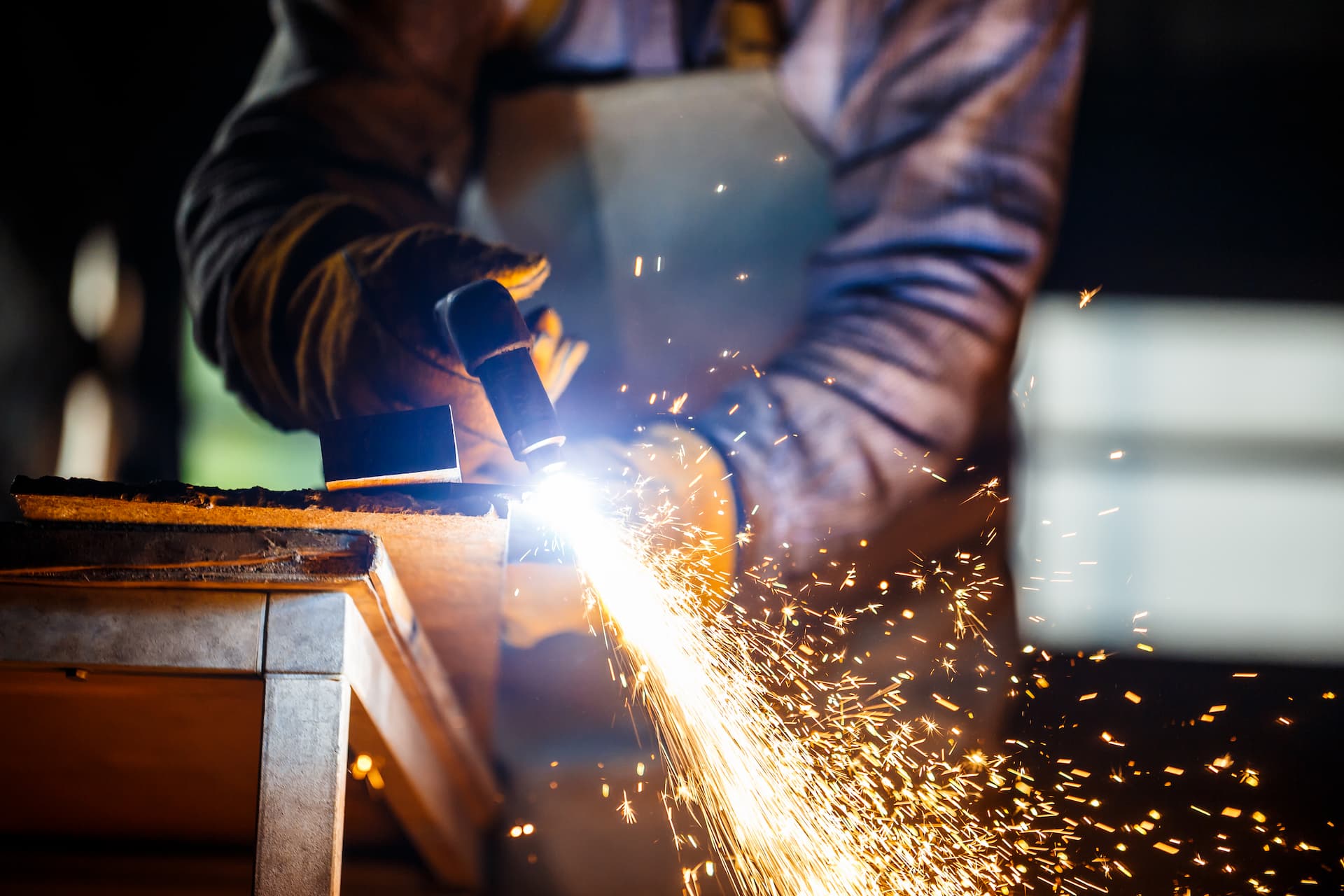
Radiant heat is a type of heat hazard that is caused by exposure to hot surfaces,
such
as furnaces, ovens, and metal surfaces. Occupational safety is always a concern
in
such an industry. Workers who work in close proximity to these radiant surfaces
are
at
risk of suffering from skin burns, eye injuries, and heat stress.To prevent radiant heat exposure, workers should be provided with protective
gear,
such as gloves, face shields, and heat-resistant clothing. In addition, these
surfaces
should be properly insulated to reduce the emission of heat. - Conductive Heat
Conductive heat is a type of heat hazard that is caused by direct contact with
hot
materials, such as machinery, tools, and surfaces. Workers who handle hot
materials
or
operate machinery in such a hot environment that generates excess heat are at
risk
of
suffering from skin burns, heat rashes, and heat stroke.Workers exposed to conductive heat exposure should wear heat-resistant gloves,
avoid
direct contact with hot surfaces, and handle hot materials with care. - Chemical Heat
Chemical heat is a type of heat hazard that is caused by exposure to chemicals
that
generate heat when they come into contact with water or air. Workers who work in
industries that involve the use of chemicals, such as manufacturing, mining, and
construction, are at risk of being exposed to chemical heat.This can result in skin burns, respiratory problems, and allergic reactions. To
prevent
chemical heat exposure, workers should be provided with protective gear, such as
goggles, respirators, and chemical-resistant clothing. Furthermore, there should
be
adequate measures to ensure consistent air movement if not much else. - Electrical Heat
Electrical heat is a type of heat hazard that is caused by exposure to
high-voltage
electrical currents. Workers who work with electrical equipment or in
environments
withhigh-voltage currents are at risk of being exposed to electrical heat. This can
result
in
skin burns, cardiac arrest, and even death.
To prevent electrical heat exposure, workers should be trained to follow proper
electrical
safety protocols, wear protective gear, and avoid working in wet environments.
What Kind Of Jobs And
Industries Are
Most
Affected By Heat Hazards?
With the globalization of economies and the rise of
industrialization,
industries are becoming decentralized urban heat islands and more and more jobs
are
subject
to
the
risk of heat hazards. This can cause a devastating effect on workers’ health,
with
prolonged exposure increasing the risk of heat stroke, dehydration, and
exhaustion.
Accidents and fatalities have been reported in
workplaces
due
to
the
effects of heat
stress. It’s important to identify what kind of jobs and industries are most
affected by
heat hazards, and what can be done to mitigate the risks.
Jobs that are most affected by heat stress include
those
in
construction,
agriculture,
factories, warehouses, and outdoor workers such as landscaping, roofing &
mining,
where direct exposure to sunlight or hot temperatures is part of the job. Due to
the
nature of work and the weather conditions in some regions, workers who spend
extended periods under direct sunlight have a heightened risk of heat stroke and
cramps.
Heat hazards pose a significant threat to the
healthcare
industry
as
well. High
temperatures can compromise drug storage, medical supplies & equipment, while
exposure to high temperatures can also cause fatigue and exhaustion among
healthcare workers.
- Agriculture
Farm workers are one of the most vulnerable groups to heat-related illnesses
due
to the
nature of their work. They are required to work long hours outdoors during
the
hottest
months of the year, exposing them to high temperatures and direct sunlight.Furthermore, the use of clothing and personal protective equipment such as
gloves and
hats increases the risk of heat exhaustion in extreme heat events. - Construction
The construction industry is another industry with high-risk job types for
heat
exposure.
Workers are often exposed to long hours of physical labor in direct
sunlight,
high
humidity, and high temperatures. Combine this with heavy machinery and
equipment
that can generate additional heat, and it becomes apparent that a proactive
approach to
heat stress
management is required. - Manufacturing
Many industries such as steel factories, refineries, and glass plants have
hot
conditions
as part of the manufacturing process. High temperatures are created during
the
heating,
pouring, and casting of molten metals, creating an environment that is
challenging and
dangerous. - Emergency services
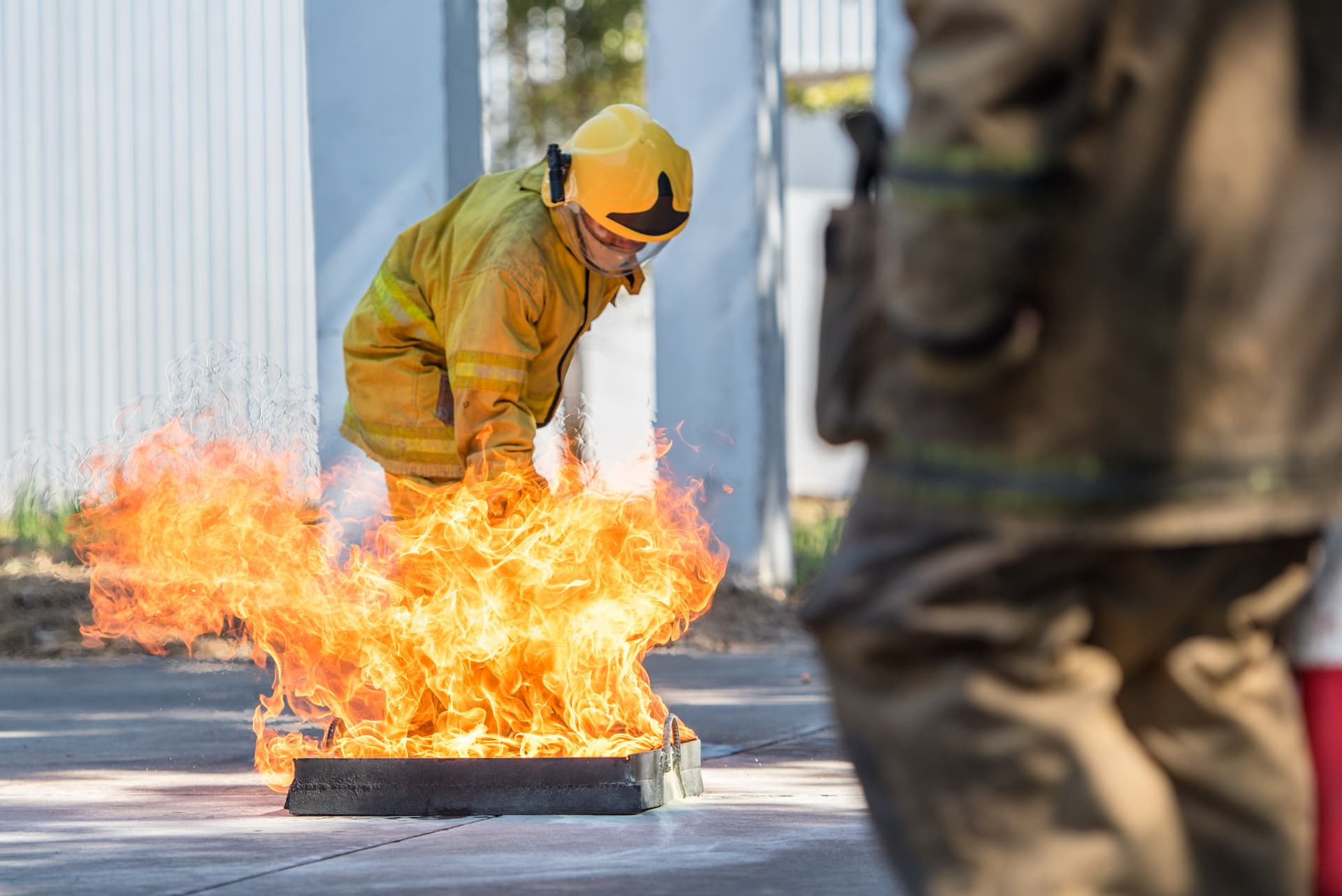
Personnel such as firefighters, police officers, and emergency medical
technicians
(EMTs) are exposed to high levels of heat stress as part of their job. These
experts are
often required to respond to emergencies during hot weather, increasing the
risk
of heatillness. PPE gear, especially firefighting
gear that consists of several layers of protective
clothing, can contribute to the risk of heat stress. - Outdoor Service
Many services require workers to be in the field,going from one client to
another, such
as pest control, landscaping, and delivery workers. These workers are at
increased risk
of heat illness due to sun exposure and repeated activity. Employers should
provide
adequate water and rest areas, especially in areas with limited or no shade.
Why Can We Expect A Growth Of This Issue In The
Future Years?
And How Can We Prevent It?
Workers toiling away in hot and onerous conditions is nothing new and this trend
doesn’t seem to be disappearing anytime soon. There are several factors contributing to
this harmful trend.
Changing Work Patterns
As companies increasingly move towards 24-hour operations, the number of people
working in hot environments at night has increased. Workers in mining, manufacturing,
construction, and hospitality have to work odd hours and weekends to hit their targets.
This shift is due in part to increased demand for products in society today and due to
efficiency reasons.
Competitive Pressures
The proliferation of global trade agreements is driving companies to look for ways to
reduce expenses, which may be leading to indirect pressure on employees to continue
working despite the heat in dangerous conditions to cut down lead times and meet
orders. Competition in pricing and delivery times pushes companies to sometimes
abuse or ignore regulations around work environments' safety, which can trigger hot
and onerous working environments.
Aging Population
The issue becomes more complicated when we consider having aging workers. As a
result, it is more challenging for older workers to regulate their body temperature in
hot
environments, leading to increased risks of heat-related illness.
So, How Do We Prevent These Heat Hazards?
So, how can employers prevent heat-related hazards for their workers? One solution is
through proper engineering and administrative controls that provide airflow, cooling
systems, or reduced exposure time to high temperatures.
The use of personal protective equipment like passive cooling backpacks, head covers,
vests, and more is one innovative and cost-effective way of protecting workers. Another
critical preventative measure is to have a plan in place to identify the early stages of
heat-related illness and deal with them quickly.
Ultimately, by being proactive in following all the safety guidelines and taking early
action with prevention, employers can mitigate the risk of employees suffering from
heat-related illnesses and improve productivity overall.