

How Investing in PPE Safety Training Saved Man-Hours Without Extra Hiring
Workplace injuries cut deep into productivity and profits. Without the right precautions, companies face higher accident rates, rising insurance costs, and costly downtime. PPE safety training gives workers the knowledge to properly use protective equipment, reducing risks while improving efficiency.
Rising heatwaves, longer cold seasons, and stricter regulations make safety training more urgent than ever. Businesses that invest in PPE training program not only protect employees from serious harm but also preserve valuable man-hours that would otherwise be lost to avoidable incidents.
Table of Contents
-
1. Why Investing in PPE Safety Training Matters
-
2. Case Studies - Companies Investing in PPEs
-
3. Broader Research Insights on Personal Protective Equipment ROI and Productivity
-
4. Measurable Operational Gains
-
5. Procurement Strategies for Smarter PPE Investments
-
6. Oteplace: Partnering for Climate-Resilient PPE Solutions
Why Investing in PPE Safety Training Matters
Serious workplace injuries often happen when employees lack proper training on protective equipment. PPE safety training shows workers how to select, fit, and maintain protective gear so hazards are minimized. OSHA sets the standards for this training, requiring employers to provide PPE at no cost and confirm it is properly fitted.
A hazard assessment is the first step. It identifies risks in the workspace and helps determine which specialized equipment is needed. This process ensures that the right gear, such as insulated gloves or hard hats, matches the workplace hazards workers face daily.
The impact of PPE training reaches beyond compliance. It directly reduces accidents, lowers insurance claims, and improves productivity. The construction industry, where risks are high, sees measurable gains when climate-specific and task-specific PPE is introduced with proper training.
Training can take many forms, from mobile platforms to toolbox talks, but the focus remains the same: giving employees the knowledge to use appropriate PPE correctly. Personal protective equipment acts as the last shield when engineering or administrative controls cannot remove risks, making proper training a business priority as much as a safety one.
Case Studies - Companies Investing in PPEs
Case Study 1: Power Generation Plant Boosts Efficiency With AI-Enabled PPE Compliance
At a major Indian power generation facility, adopting AI-powered PPE detection, administrative controls, and targeted safety training raised compliance from 38% to 83%. This leap was accompanied by an 82% reduction in PPE-related incidents and a 9% drop in unplanned downtime. The plant's highest-risk zones achieved 100% compliance with zero serious injuries.
Targeted training and compliance efforts helped minimize exposure to potential hazards, translating into smoother workflows without adding new staff. Safety Officers play a crucial role in ensuring the proper use of PPE in the workplace.
Case Study 2: Cooling Vests at a U.S. Collision Center Deliver Exceptional ROI and Productivity Gains
In the U.S., technicians faced extreme heat exposure exceeding 100°F in a vehicle collision center, with workers being exposed to extreme temperatures that could impact their safety and performance. A $300,000 investment in advanced cooling vests equipped with circulating air technology resulted in an estimated $4.5 million savings from avoided heat-related injuries, equating to an ROI of 11,400%. These cooling vests provided essential body protection against heat stress, helping shield workers from hazardous conditions.
Workers reported feeling cooler, staying focused, and taking fewer heat stress-related breaks. This restored productivity and reduced lost man-hours. PPE is considered the last line of defense in a hierarchy of hazard controls, meaning it is utilized only after more effective controls are applied. Skin and Body Protection includes safety vests and suits for tasks that can cause injuries from extreme temperatures, sparks, or toxic chemicals.
Case Study 3: Food Storage Company Reduces Turnover and Absenteeism With Insulated PPE
A company in the cold-chain logistics sector upgraded its cold-weather PPE to higher-quality insulated gloves, jackets, footwear, and full body suits. The new gear protects workers by keeping them warmer and more comfortable, reducing complaints, sick days, and turnover.
The addition of full body suits as part of the PPE provides comprehensive protection against cold-related hazards. Savings came from less time lost to equipment failures and fewer cold-related injuries, improving labor efficiency without adding new hires.
Broader Research Insights on Personal Protective Equipment ROI and Productivity
Heat stress lowers worker output by about 2.5% for each 1°C rise above 27°C. Without protective equipment, this loss adds up to billions annually. Research from Public Citizen and the Becker Friedman Institute shows factory output in India dropped 3–4% per degree Celsius increase. The condition of equipment worn is critical—PPE should be regularly inspected and replaced when it is worn out to ensure ongoing protection and safety.
Employers report up to a 70% reduction in injury rates by investing in quality PPE and safety training programs. PPE is designed to protect workers from hazards, which cuts compensation claims, insurance premiums, and downtime.
Target-specific PPE, such as UV-protective clothing for outdoor workers and battery-powered heated garments for cold environments, helps maintain comfort and safety, reducing unscheduled breaks and injury-related workflow disruptions, provided the PPE is properly maintained and used.
Measurable Operational Gains
Strategic investment in climate-specific PPE and training saves man-hours by reducing time lost to injury, fatigue, and frequent breaks without hiring additional staff.
By improving compliance and worker comfort, facilities experience fewer incidents and less downtime. For example, the Indian power plant achieved an 82% reduction in incidents and a 9% drop in unplanned downtime, directly translating into saved man-hours. Foot protection, such as safety boots, is crucial in preventing injuries from slippery surfaces and electrical hazards, further reducing workplace incidents.
In extreme heat, cooling vests help workers maintain focus and performance with fewer breaks. The U.S. collision center’s investment showed reduced fatigue and lost time, boosting productivity.
In cold environments, insulated PPE lowers risks such as frostbite, which can cause absenteeism and costly disruptions. PPE also protects against physical and chemical hazards that may be present in these environments. A food storage facility that upgraded its PPE reduced sick days and turnover, ensuring consistent labor availability.
Quality PPE also prevents the slower pace and extra effort caused by discomfort or ill-fitting gear. Comfortable, climate-suited equipment allows workers to complete tasks more efficiently, further multiplying man-hour savings.
Procurement Strategies for Smarter PPE Investments
Procurement managers can negotiate smarter PPE deals that align safety spend with operational goals:
- Conduct climate risk audits to pinpoint roles and environments most impacted by temperature extremes.
- Pre-order PPE 1–2 months before peak seasons to avoid rush costs and shortages.
- Use field trials and worker feedback to assess PPE on comfort, durability, and performance.
- Take advantage of government subsidies and tax incentives where available.
- Monitor safety incidents, productivity metrics, and PPE use to build a data-driven reinvestment plan.
When selecting PPE, consider a full range of equipment, including respiratory protection, eye protection (such as goggles, face shields, and welding helmets), and hearing protectors like ear plugs and earmuffs. For tasks involving flying debris or hazardous materials, choose eye protection with side shields for added safety. Essential hand and head protection should be prioritized based on specific job requirements and risk assessments. Plan for proper disposal of used PPE to maintain hygiene and ensure compliance with safety standards.
Continuous improvement should also include training employees on the proper use, inspection, and maintenance of PPE.



Oteplace: Partnering for Climate-Resilient PPE Solutions
Early investment in climate-specific PPE training and gear is a strategic imperative in the face of rising temperature extremes. Case studies show how these investments reduce downtime, minimize absences, and improve worker comfort and focus without extra hiring. Procurement managers can apply these insights to secure PPE deals that boost long-term operational efficiency.
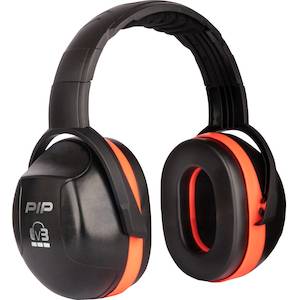
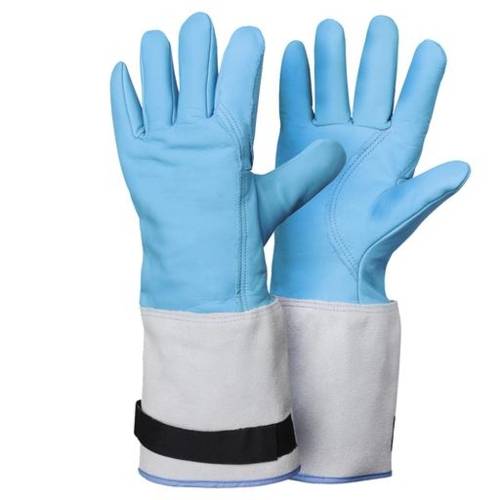
Oteplace offers a wide range of certified personal protective equipment (PPE) designed for extreme environmental challenges, including hard hats, safety glasses, face shields, hearing protection, respirators, cooling vests, ventilated helmets, UV-protective clothing, heated garments, insulated gloves, rubber gloves, arm protection, protective footwear, shin guards, and waterproof boots.
Our solutions help organizations create a safe working environment by ensuring that safety measures and PPE are effectively implemented to prevent employee exposure to hazards and workplace injuries.
For more information or support, please contact Oteplace.