
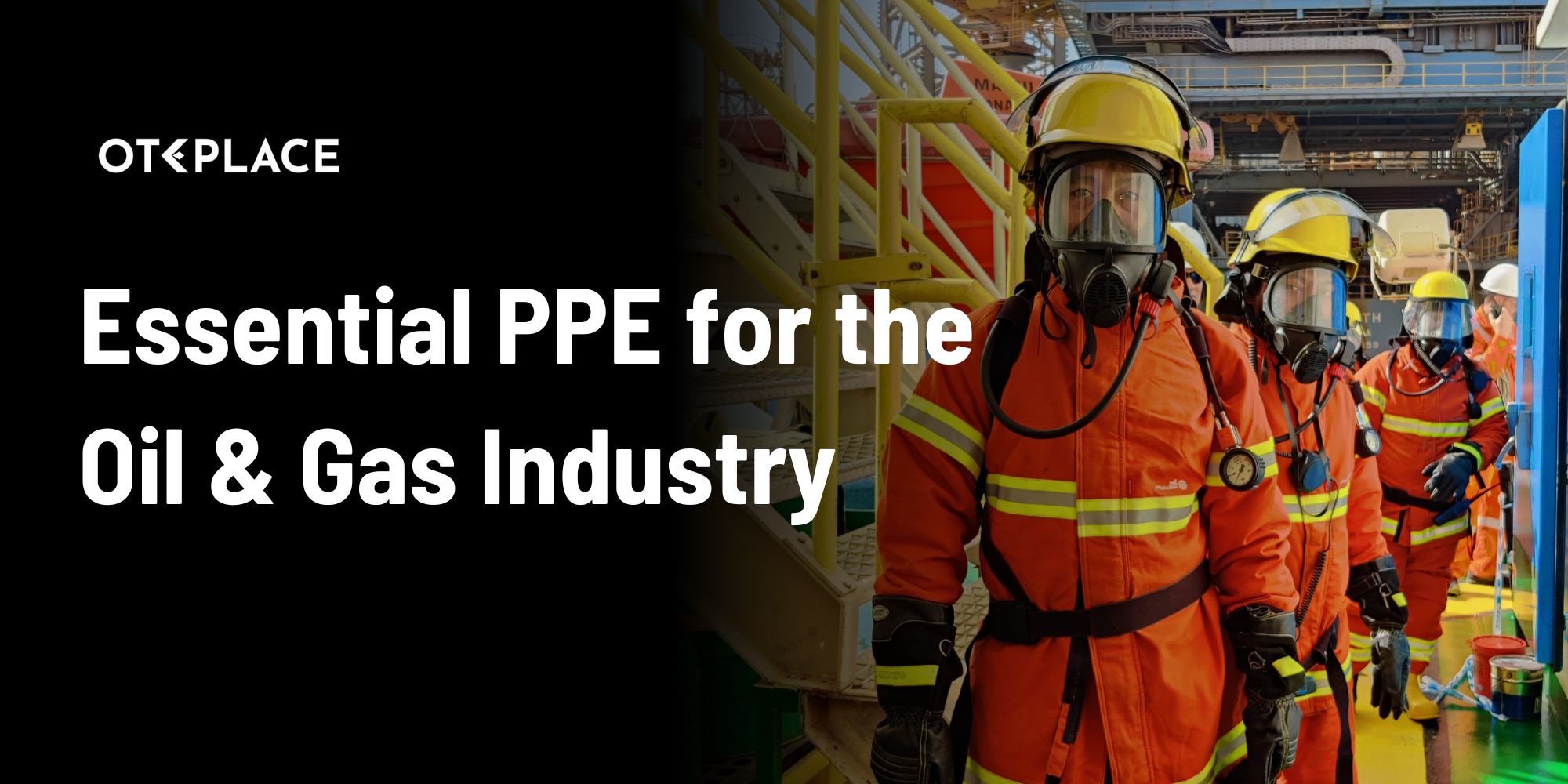
Fire and explosion hazards are major risks in the oil and gas industry. Worker safety depends on the engineering controls and procedures that prevent incidents, the detection and suppression systems that contain them when they occur, and the personal protective equipment (PPE) that protects workers when other controls fail. This article covers the core PPE categories used in oil and gas operations and the emergency response planning that connects equipment to action.
Essential PPE for Oil and Gas Operations
1.Flame-Resistant Clothing
Flame-resistant clothing (FRC) is the baseline garment requirement for any worker exposed to potential flash fire or arc flash conditions in oil and gas operations. FRC is designed to self-extinguish rather than melt or continue to burn, giving the wearer time to escape and reducing burn injury severity.
FRC can be made from inherently flame-resistant materials (aramid fibres such as Nomex or Kevlar, modacrylic blends) or from treated cotton and cotton-blend fabrics. The relevant standards include NFPA 2112 for flash fire protection, NFPA 70E for arc flash protection, EN ISO 11612 for protective clothing against heat and flame, and EN 1149 for static-dissipative properties where flammable atmospheres are present. Selection should match the standards required in the operating jurisdiction and the specific exposure (flash fire, arc flash, or both).
In hazardous areas requiring ATEX-rated equipment, FRC should also meet the relevant anti-static standards to prevent static discharge becoming an ignition source.
2. Hard Hats
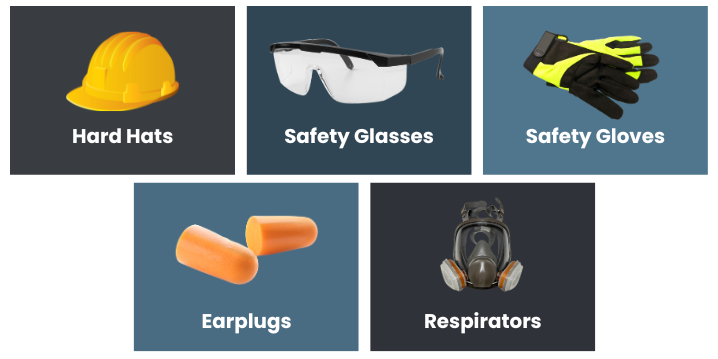
Hard hats protect workers’ heads from impact and penetration hazards. Oil and gas workers are frequently exposed to falling objects, swinging loads, and overhead hazards on platforms, drilling rigs, and process facilities. Hard hats absorb the impact of falling objects and disperse the force across the helmet shell.
Helmets should meet ANSI Z89.1 (US) or EN 397 (Europe) standards. Class E (electrical) rating is required where exposure to electrical hazards is possible. Accessories such as chinstraps, visors, and ear protection mounts extend the helmet’s protective function. Fit matters as much as the shell rating; a helmet that does not stay on does not protect.
3. Safety Glasses
Safety glasses protect workers’ eyes from flying debris, liquid splashes, dust, and chemical exposure. Oil and gas workers are routinely exposed to chemicals, particulates, and high-pressure fluid release that can cause eye injury.
Lenses should be shatter-resistant polycarbonate certified to ANSI Z87.1 (US) or EN 166 (Europe). Anti-fog and anti-scratch coatings extend usability in humid or abrasive environments. For higher-risk operations involving chemical handling or grinding, full goggles or face shields are appropriate.
4. Gloves
Gloves create a barrier between the worker’s hands and the specific hazard. The right glove depends on the dominant exposure.
- Flame-resistant gloves: Protect against flames and elevated heat. Made from leather, aramid fibres, or aluminised composites depending on the proximity to thermal sources.
- Impact-resistant gloves: Protect against blunt force from tools, equipment, and rigging operations. Constructed from materials such as neoprene, PVC, or rubber with reinforced impact zones.
- Chemical-resistant gloves: Protect against contact with hazardous chemicals, drilling fluids, and process additives. Material selection (neoprene, nitrile, butyl, Viton, PVC) depends on the specific chemicals encountered. No single material protects against all chemical exposures.
Glove selection should match the task and fit properly. A loose glove caught in moving machinery is a hazard, not a protection.
5. Hearing Protection
Exposure to loud noises is another hazard that workers in the oil and gas industry face. Hearing damage can occur over time due to exposure to high levels of noise. Earplugs help prevent this damage by reducing the amount of noise that reaches the ear.
There are two main types of earplugs: disposable earplugs and reusable earplugs. Disposable earplugs are made of soft foam or silicone and are designed to be used once and then thrown away. Reusable earplugs, on the other hand, are made of more durable materials, such as rubber or silicone, and can be used multiple times.
Earplugs work by fitting snugly into the ear canal and creating a seal that blocks out noise. The foam or silicone material used to make earplugs is designed to absorb sound waves, reducing the amount of noise that reaches the eardrum. Some earplugs also feature a noise reduction rating (NRR) that indicates how much noise they can reduce.
In the oil and gas industry, workers are exposed to high levels of noise from equipment and machinery, which can cause permanent hearing loss. Earplugs are crucial in protecting workers’ hearing and preventing hearing loss. It is important to choose the appropriate type of earplug for the job and to ensure that the earplugs are properly fitted to ensure maximum protection. Workers should also receive proper training on how to use earplugs and the hazards they protect against.
should also receive proper training on how to use earplugs and the hazards they protect against.
5. Respirators
Respirators are designed to protect workers from inhaling hazardous substances such as dust and fumes. In the oil and gas industry, workers are often exposed to toxic chemicals and fumes that can cause serious health problems over time. Respirators help prevent these health problems by providing a barrier between the worker’s lungs and the hazardous substances
There are two main types of respirators: air-purifying respirators and supplied air respirators. Air-purifying respirators filter the air, removing contaminants before they are inhaled, while supplied air respirators provide fresh air from a remote source.
Air-purifying respirators (APRs). Filter ambient air to remove contaminants before inhalation. Categories include:
- Particulate respirators. Filter dust, smoke, and mist. Used in drilling operations, sandblasting, and grinding work.
- Gas and vapour respirators. Use chemical cartridges (often activated carbon or specific sorbents) to remove specific gases and vapours.
- Combination respirators. Combine particulate and chemical filtration for environments with both hazards.
Supplied-air respirators. Provide breathable air from a remote source.
- Airline respirators. Connected to a remote air source through a hose, providing continuous fresh air.
- Self-contained breathing apparatus (SCBA). Worker carries the air supply on the body. Required where the atmosphere is immediately dangerous to life or health (IDLH), in confined spaces with unknown atmospheres, and in emergency response scenarios.
Fit testing is mandatory for any tight-fitting respirator. APRs are not acceptable in IDLH atmospheres; only SCBAs or supplied-air systems with escape provisions are.

Emergency Response Planning for Fire and Explosion Safety
PPE protects individuals; an emergency response plan (ERP) protects the operation.
What is an Emergency Response Plan?
An ERP is a written document that outlines the procedures and protocols to follow during an emergency. In oil and gas operations, the plan should address fire and explosion scenarios specifically and should include evacuation procedures, hazardous event response, and the defined roles and responsibilities of each employee.
Importance of Having an Emergency Response Plan
A current and tested ERP prepares workers operationally and reduces the time between incident and response, which is often the critical variable in outcomes. Beyond operational benefits, the ERP has regulatory and legal weight. In the event of a serious incident, regulators and authorities will examine the plan and the evidence of its execution. Gaps between documented procedures and actual practice are where regulatory liability concentrates.
What Should an Emergency Response Plan Include?
An ERP should cover, at minimum:
- A hierarchy of decision-making authority and chain of command, with named roles and backups.
- Alert mechanisms to notify employees and emergency responders during an incident.
- Evacuation procedures with primary and secondary routes, and designated muster points.
- Firefighting and explosion mitigation plans, including locations and access to extinguishers, fire suppression systems, and firefighting PPE (including aluminised proximity suits where required).
- Equipment maintenance schedules and stocks of appropriate PPE, first aid supplies, spill response materials, and firefighting equipment.
- Procedures for updating the plan to reflect new regulatory requirements and industry best practice.
The plan should be reviewed, tested through drills, and validated at defined intervals. An ERP that is never practised tends to fail when it is needed.
Building a PPE Programme for Oil and Gas Operations
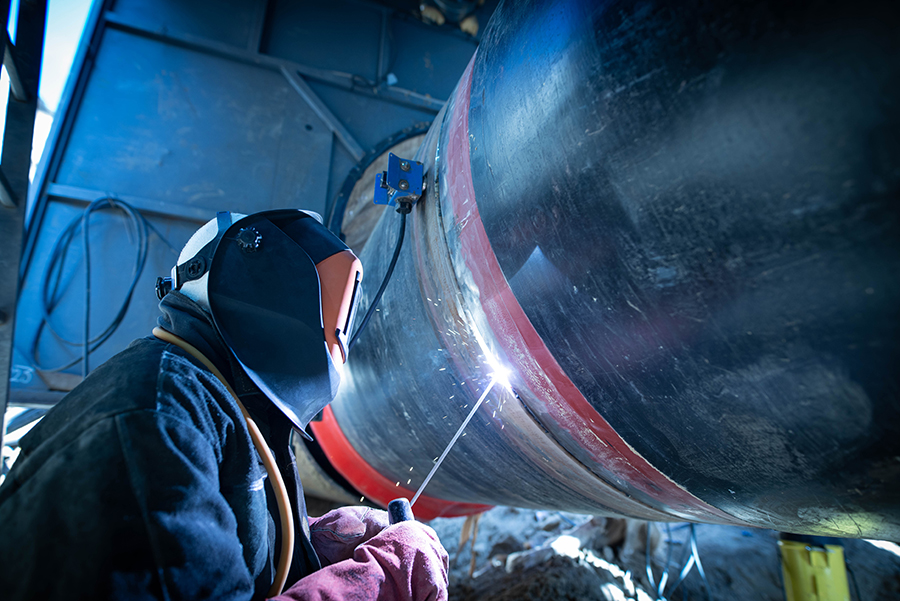
Building a PPE programme for oil and gas operations means matching each category of equipment to the actual exposures at each workstation, then connecting the equipment to the procedures that govern its use. Flame-resistant clothing without arc flash rating fails in arc flash exposures. Respirators without fit testing fail when the seal is incomplete. Earplugs that workers cannot insert correctly fail by being left out. PPE selection is the start of the programme, not the end.