
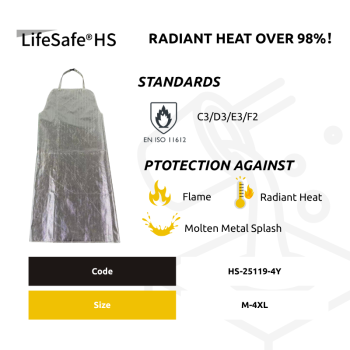
How to Choose an Aluminised Fire Suit for Heat Protection

How to Choose an Aluminised Fire Suit for Heat Protection

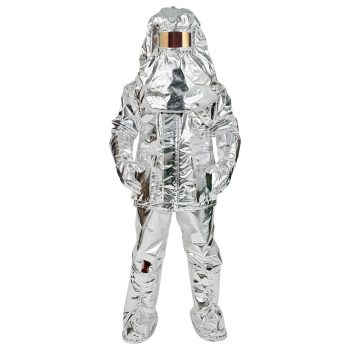
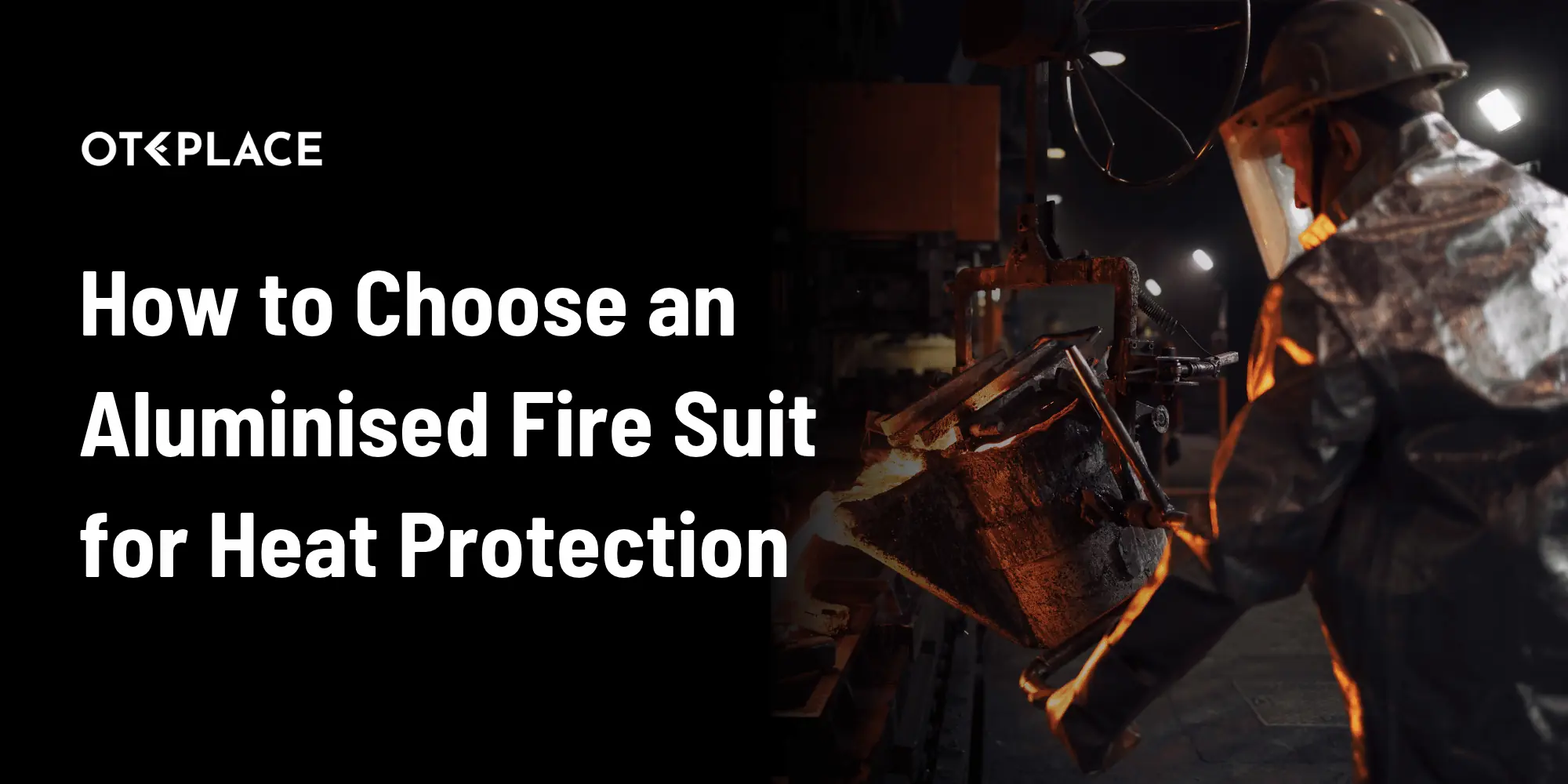
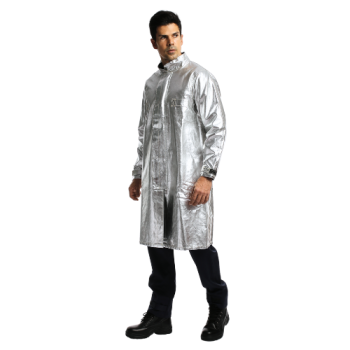
Aluminized suit, or aluminised fire suit, provides specialised heat protection for workers in foundries, steel mills, and other high-temperature environments. The reflective aluminium surface helps reduce exposure to radiant heat from furnaces, molten metals, and industrial equipment.

However, not all aluminised suits offer the same level of protection. Fabric composition, garment design, and performance under EN ISO safety standards determine which thermal hazards a suit can protect against.

This guide explores the key factors to consider when choosing an aluminised fire suit, helping you balance safety, comfort, durability, and long-term value.

1. Understanding Aluminised Suits and Their Materials

An aluminised suit uses a reflective aluminium outer layer to reduce radiant heat transfer to the wearer. Unlike conventional flame-resistant clothing, aluminised PPE offers additional protection against thermal radiation from nearby heat sources.

Manufacturers combine a thin reflective aluminium layer with heat-resistant fabrics to achieve different levels of protection. Although aluminised fabrics may look similar from the outside, their base materials offer different advantages:

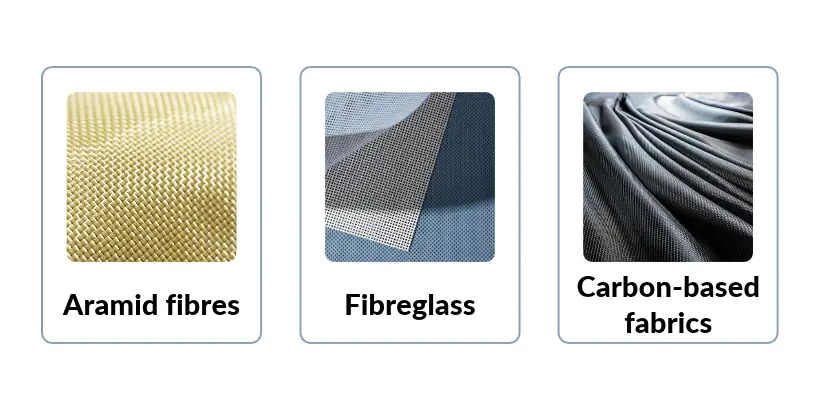
  • Aramid fibres: Combine heat and flame resistance with flexibility and mechanical strength. Their relatively lightweight and durable properties make them suitable for protective clothing that requires frequent movement.
  • Fibreglass: Offers good thermal stability and is often a more economical option. However, its relatively rigid structure may limit flexibility and comfort during physically demanding tasks.
  • Carbon-based fabrics: Offer thermal resistance and can provide additional insulation in multilayer protective suits. Their flexibility, weight, and durability depend on the fibre composition and fabric construction.
  • Blended fabrics: Combine different fibres to balance thermal protection, mechanical strength, flexibility, and comfort. Their performance varies depending on the materials used and their proportions.

The choice of fabric influences more than heat protection. Workers who frequently move around furnaces may benefit from flexible materials, while other tasks may require greater thermal insulation.

Understanding these differences helps buyers select suitable protective clothing. However, always evaluate the complete garment’s tested performance rather than relying on the properties of individual materials.

2. Choosing the Right Level of Heat Protection

Heat exposure is not simply a matter of temperature. The way heat reaches the body, the duration of exposure, and the nature of the work all influence PPE requirements.

Workers in foundries and steel mills often encounter several thermal hazards during a single task:

Thermal hazardCommon industrial sources
Radiant heatFurnaces, kilns, and molten metals
Convective heatHot air and gases
Contact heatHeated surfaces and machinery
Molten metal splashesCasting, pouring, and smelting operations
Flame exposureAccidental flames during industrial processes

Radiant Heat and Thermal Insulation

Radiant heat travels from a hot source without requiring direct contact. Workers operating near furnaces can therefore experience intense heat exposure even without touching hot equipment.

The reflective aluminium surface helps reduce radiant heat absorption, while the underlying fabric and insulating layers limit heat transfer. Together, these materials contribute to the overall thermal performance of an aluminised suit.

Additional insulation may improve protection against certain hazards, but it can also increase garment weight and heat stress. Consider the intensity of the heat source, working distance, and exposure duration when selecting protective clothing.

Molten Metal and Flame Protection

Workers involved in metal casting and smelting may require protection against molten metal splashes in addition to radiant heat. This is why a reflective aluminium surface alone does not guarantee protection against molten metal splashes.

Different metals behave differently when they come into contact with protective fabrics. Check whether the garment provides tested protection against the specific metals present in your workplace.

The same principle applies to flame exposure. Aluminised proximity suits protect workers operating near intense heat sources, while fire entry suits require specialised materials and construction for direct flame exposure. When choosing an aluminised suit, consider the type of heat, duration of exposure, and specific hazards involved in each task. The right protective clothing should work alongside other workplace safety measures to minimise the risk of heat-related injuries.

3. Garment Design, Comfort and Durability

The effectiveness of an aluminised suit depends on more than its fabric and thermal performance. Garment design, fit, and durability also influence how well workers can perform their tasks while maintaining protection.

Fit, Mobility and Comfort

A thicker or heavier suit does not always offer the best solution. Additional protective layers may increase thermal insulation, but they can also restrict movement and contribute to fatigue.

For workers in foundries and steel mills, flexibility is particularly important during tasks such as bending, lifting, and operating machinery. A well-fitting suit should allow freedom of movement while maintaining adequate protective coverage. When selecting a size, account for any additional clothing or protective equipment worn underneath.

Comfort also depends on how the garment manages body heat and moisture. The reflective aluminium layer can limit moisture transfer, making it harder for the body to release heat during extended use. Fabric weight, garment design, and suitable work-rest schedules all play a role in managing heat stress.

The goal is to achieve the required level of heat protection without placing unnecessary physical strain on the wearer.

Protective Features and Accessories

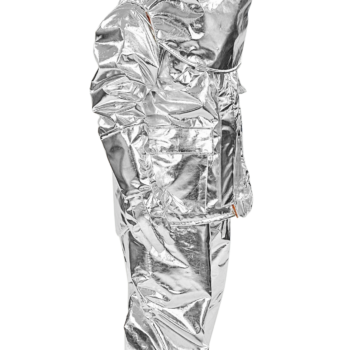
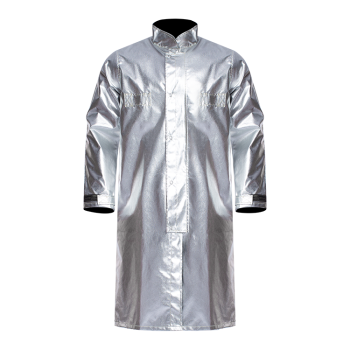
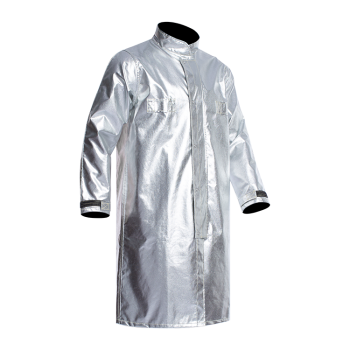
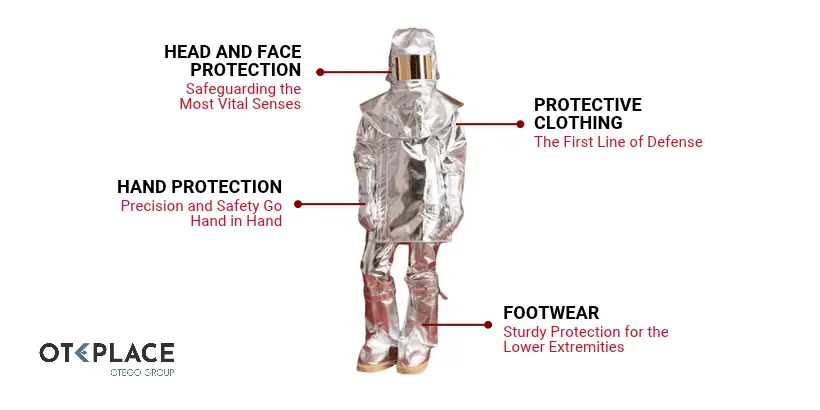
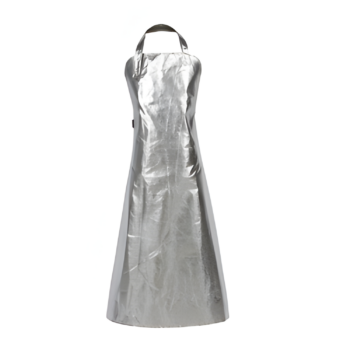
Aluminised PPE comes in several configurations, including full-body suits, jackets, trousers, coats, and aprons. The right configuration depends on the task and the areas of the body exposed to thermal hazards.

For molten metal applications, separate jackets and trousers may offer practical advantages, including easier removal during emergencies. Garment design should also minimise openings and areas where molten metal could become trapped.

If you are comparing aluminised suits, consider the following features:

  • Covered fastenings and protective flaps: Help reduce exposure through garment openings.
  • Reinforced seams and garment overlaps: Help maintain coverage and improve durability in areas subject to frequent movement.
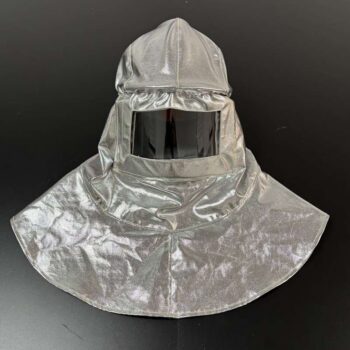
  • Aluminised hoods and face protection: Provide additional coverage where workers face thermal exposure around the head and face.
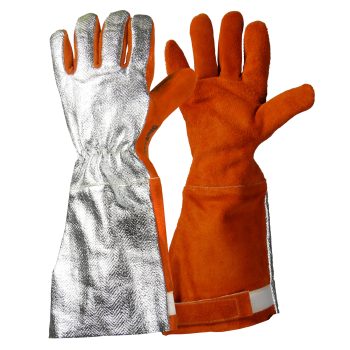
  • Heat-resistant gloves: Protect the hands according to their specific thermal performance ratings.
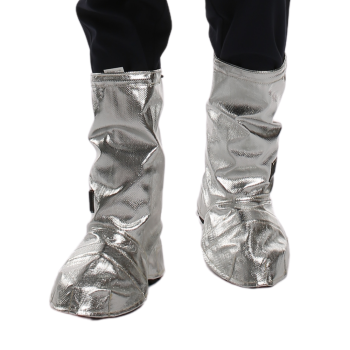
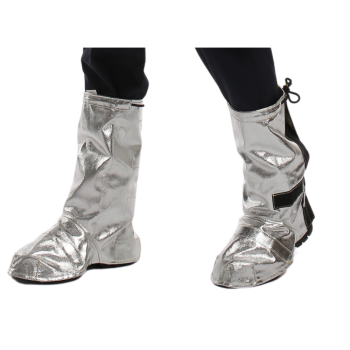
  • Protective gaiters and safety footwear: Provide additional protection around the lower legs and feet.

Check how these components fit together. Even high-performance protective clothing can leave vulnerable areas exposed when workers wear incompatible equipment.

Durability and Maintenance

The condition of the reflective aluminium surface directly influences an aluminised suit’s radiant heat protection. Frequent abrasion, contamination, and unsuitable cleaning methods can damage this surface and reduce its effectiveness.

When comparing products, examine the quality of the base fabric, stitching, seams, and fastenings. These details influence how well the garment withstands regular industrial use.

  • Pay particular attention to signs of deterioration during routine inspections:
  • Peeling or damage to the reflective aluminium layer
  • Tears, holes or damaged seams
  • Worn fastenings and protective closures
  • Contamination that may affect protective performance

Always follow the manufacturer’s cleaning and storage instructions. Different aluminised fabrics may require different maintenance methods, and unsuitable cleaning products can damage their reflective surfaces.

Remove damaged garments from service when you can no longer confirm their protective performance. Regular maintenance helps preserve the suit’s protective properties and supports a longer service life.

4. Aluminised Suit Safety Standards and Regulatory Compliance

Safety standards help industrial buyers evaluate and compare the protective performance of different aluminised suits. Rather than relying on general heat resistance claims, examine the garment tested performance levels and technical documentation.

Several international standards and workplace regulations address protection against heat, flames, and molten substances. Their relevance depends on the intended application, workplace hazards, and applicable regulatory requirements.

EN ISO 11612 (Protection Against Heat and Flame)

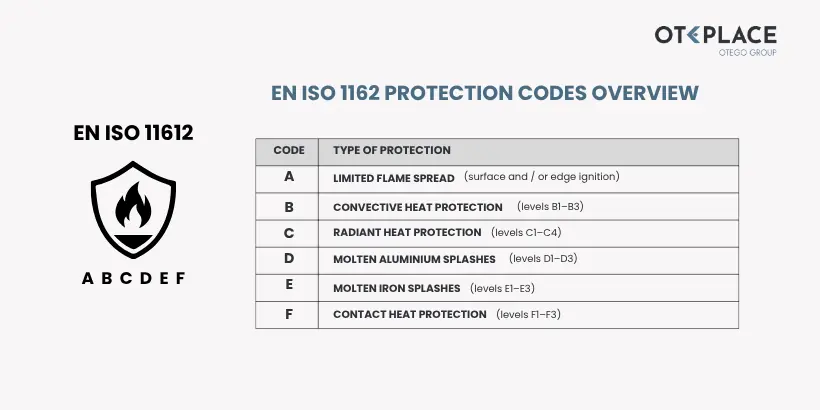
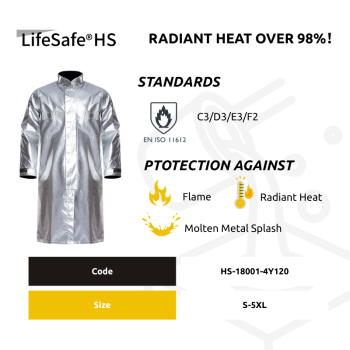
EN ISO 11612 specifies performance requirements for industrial protective clothing against heat and flame. The standard uses different codes to identify the thermal hazards against which clothing offers tested protection.

For aluminised suits, Code C is particularly relevant because it measures resistance to radiant heat. Higher performance levels indicate greater resistance under standardised test conditions.

Foundries and steel mills should also consider Codes D and E where molten metal exposure presents a risk. These classifications address different hazards and should not be treated as interchangeable.

A suit with a high radiant heat rating does not automatically provide protection against molten metal splashes. Always review the complete performance rating rather than relying on EN ISO 11612 certification alone.

EN ISO 11611 (Protection During Welding and Allied Processes)

EN ISO 11611 specifies requirements for protective clothing used during welding and related processes. It addresses hazards such as welding spatter, brief flame contact, and radiant heat from welding activities.

This standard may be relevant when selecting protective clothing for industrial metalworking applications. However, compliance with EN ISO 11611 alone does not establish suitability for all extreme heat or molten metal hazards.

NFPA Standards

The National Fire Protection Association (NFPA) develops safety standards for protective clothing and fire-related hazards across various industries.

  • NFPA 2112: Establishes performance requirements for flame-resistant clothing intended to protect industrial personnel against short-duration thermal exposure from fire.
  • NFPA 2113: Provides guidance on selecting, using, maintaining and caring for flame-resistant garments intended for these hazards.

These standards are particularly relevant where industrial flash fire hazards exist. However, buyers should assess radiant heat and molten metal protection separately according to their workplace requirements.

ASTM International Standards

ASTM International develops testing methods that help evaluate the performance of protective materials under specific conditions.

ASTM F955 evaluates heat transfer through protective clothing materials during contact with molten substances. This test provides useful information when assessing materials for foundries, metal casting, and smelting operations.

Test results should identify the substance involved and the conditions of exposure. Material test results do not guarantee the performance of a complete aluminised suit in every working environment.

OSHA Regulations and Industry-Specific Guidance

The Occupational Safety and Health Administration (OSHA) establishes workplace safety requirements in the United States. Its general PPE requirements address hazard assessment, equipment selection, proper fit, maintenance, and employee training.

Unlike product performance standards, OSHA regulations focus on employers’ responsibilities for workplace safety. OSHA does not provide a universal product certification for aluminised suits. Industry-specific guidance from organisations such as the American Foundry Society (AFS) and the Health and Safety Executive (HSE) can also support protective clothing selection.

Before purchasing an aluminised suit, request the relevant product datasheet, certifications, test results and applicable Declaration of Conformity. Not every garment needs to meet every standard, so prioritise those that address your specific workplace hazards.

5. Budget Considerations and Choosing the Right Aluminised Suit

Choosing an aluminised suit requires a balance between budget and workplace protection requirements. Material composition, garment construction, and additional protective features can all influence the purchase price.

However, the initial price tells only part of the story. Maintenance requirements, replacement frequency, and expected service life also contribute to the total cost of ownership.

A more durable garment may offer better long-term value than a cheaper alternative that requires frequent replacement. Nevertheless, a higher price does not automatically guarantee better protection or suitability for your application.

Set a realistic budget based on your workplace hazards and required safety standards. Compare products that meet these requirements before evaluating their prices, rather than compromising protection to reduce costs.

Consulting with an experienced PPE supplier or safety specialist can help you compare available materials, protection levels, and garment configurations. When discussing your requirements, provide information about:

  • Working environment and type of thermal exposure
  • Potential exposure to flames and molten metals
  • Required safety standards and performance levels
  • Fabric composition, garment weight and flexibility
  • Required body coverage and protective accessories
  • Maintenance requirements and expected service life
  • Sizing, quantities and purchasing budget

Providing clear information helps suppliers understand your application and identify suitable options. It also allows you to make more informed purchasing decisions based on protection, practicality, and long-term value.

At OTEPLACE, we help industrial buyers explore protective clothing and equipment based on their sourcing requirements. Whether you need a complete aluminised suit or individual protective garments, our team can help you explore available options. Explore our aluminised PPE range or contact [email protected] to discuss your heat protection and sourcing requirements.

Frequently Asked Questions

What is an aluminized suit used for?

Aluminized suit helps protect workers against intense radiant heat and other specified thermal hazards. Common applications include foundries, steel mills, smelting facilities, glass manufacturing and furnace operations.

How does an aluminised suit protect against heat?

Its reflective aluminium outer layer reduces radiant heat absorption. Heat-resistant base fabrics and additional insulating layers contribute to the garment's overall thermal protection.

What temperature can an aluminized suit withstand?

Aluminized suits have no universal temperature limit. Their protective performance depends on fabric composition, garment construction, exposure duration and heat type. Always check the manufacturer's tested performance levels and limitations.

Is an aluminised fire suit fireproof?

No. Aluminised fire suits provide protection against specific thermal hazards, depending on their materials and tested performance. Direct fire entry requires protective equipment specifically designed and certified for that application.

What safety standards apply to aluminised suits?

EN ISO 11612 covers industrial protective clothing against heat and flame. Code C addresses radiant heat, while Codes D and E cover molten aluminium and molten iron splashes. Other standards may apply depending on the intended application.

Not sure which ppe is right for your team?
Blog – Challenges Of Summer Construction Projects In The UAE
Blog – Proximity Suits: Ensuring Worker Safety in Extreme Environments
My Cart
Wishlist
Recently Viewed
Categories