How to Choose the Right Aluminized Fire Suit for Protection
When you’re on the frontlines of safety, having the right gear can make all the difference.
Enter aluminized fire suits – your trusted companions facing intense heat and flames. Whether
you’re a firefighter, industrial worker, or a professional working in high-temperature
environments, finding the perfect aluminized fire suit is like finding a shield against the
heat.
This guide will walk you through the essential factors to consider when choosing an aluminized
fire suit. No more guesswork or sifting through endless options – we’ve got you covered with
straightforward advice. From material durability to reflective properties, we’ll help you
understand the key aspects that matter.
Understanding Aluminized Fire Suits
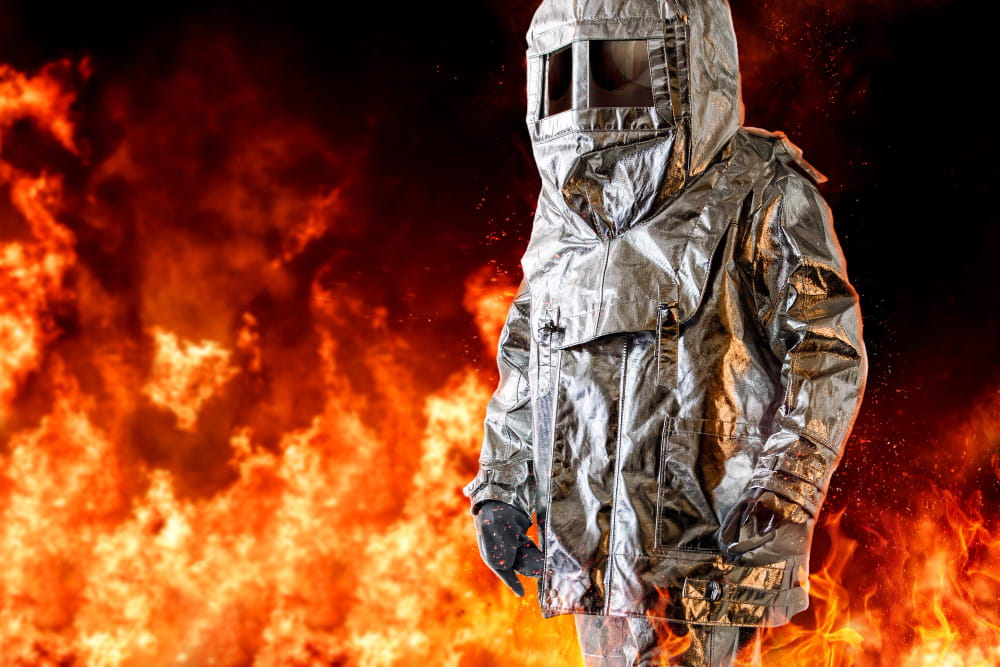
Aluminized
PPEs
are not your average work attire; they’re specialized protective gear
designed to shield you from extreme heat and flames. These suits are crafted using
advanced materials, often a combination of flame-resistant fabrics like aramid fiber,
carbon fiber, fiberglass, modacrylic, and meta-aramid fiber, and reflective aluminized
layers. The aluminized layer plays a pivotal role in reflecting radiant heat away from
your body, providing an extra layer of defense.
The science behind aluminized fire suits is fascinating yet simple. The aluminized
coating on the proximity suit, typically made from vaporized aluminum, forms a highly
reflective surface that bounces back heat energy, reducing its impact on your body. This
property is crucial when temperatures in industries such as firefighting, metalworking,
or foundry work can soar.
Prioritizing Safety and Protection
Regarding
aluminized fire suits, safety isn’t just a feature – it’s the entire purpose.
These suits are meticulously designed to ensure your protection in high-heat scenarios.
As you navigate the world of aluminized fire suits, prioritize safety.
Consider the material quality of the suit. High-quality flame-resistant materials protect
against flames, sparks, and molten metal. Look for certifications from relevant safety
standards organizations, which indicate that the suit has undergone rigorous testing to
meet industry benchmarks.
Thermal insulation is another critical factor. A well-insulated suit prevents heat from
penetrating and harming your skin. Remember, the goal is to shield yourself from direct
contact with flames and manage high temperatures and the intense heat that radiates from
them.
Always opt
for a suit that aligns with your intended usage for a suit that aligns with your
intended usage. Different situations demand
different levels of protection, so ensure that your chosen suit meets the safety
requirements of your work environment. For instance, some suits may be optimized for
proximity firefighting, while others excel in high radiant loads and heat situations.
By putting safety at the forefront of your decision-making process, you can confidently
select an aluminized fire suit that suits your needs and shields you from potential
harm.
Finding the Right Fit and Comfort
Protection is paramount, but comfort should never be compromised. When it comes to
aluminized fire suits, finding the right fit goes hand in hand with ensuring they
protect your safety. Ill-fitting suits can hinder movement, cause discomfort, and even
pose safety risks if they restrict your mobility.
Sizing considerations are crucial. A well-fitting suit allows you to move freely while
maintaining the suit’s protective integrity. It’s recommended to consult the
manufacturer’s sizing guide to ensure an accurate fit.
In high-temperature environments, staying comfortable is essential for focus and
performance. Look for suits that offer mobility and flexibility without sacrificing
safety. Consider features like adjustable closures and articulated joints that enhance
your range of motion.
Breathability is often overlooked but plays a significant role, especially during
extended wear. A suit with adequate ventilation prevents excessive sweating and
discomfort. Some suits incorporate moisture-wicking liners to keep you cool and dry.
Remember, a suit that fits well and offers comfort will boost your performance and
encourage consistent usage – a critical factor in ensuring your safety on the job.
Durability and Longevity
An aluminized fire suit is an investment in your safety, so choosing one built to last is
essential. Durability is crucial, as your suit will face tough conditions and wear over
time.
Look for suits made from high-quality materials known for their durability.
When evaluating your options, consider the suit’s durability in demanding environments, such
as smelting facilities. A robust fire proximity suit should withstand wear and tear,
ensuring it remains intact and effective over its lifetime.
Regular maintenance practices are crucial for extending the suit’s lifespan, including those
with specialized components like an aluminized hood. Adhering to the manufacturer’s cleaning
and storage guidelines is essential to prevent unnecessary wear and to uphold the suit’s
protective properties.
Opting for a resilient entry suit and committing to proper upkeep ensures your investment
goes a long way, providing you with an air pack and long-lasting protection, particularly in
high-risk settings.
Additional Features to Look For
Aluminized
fire suits
often have additional features that enhance functionality and
usability, providing complete proximity protection. These features can vary widely, so it’s
essential to consider what matters most in your work environment.
Integrated safety gear is a valuable feature that minimizes the need for additional
equipment, ensuring the high performance of fire proximity suits. Look for suits with
built-in gloves, boots, or hoods for comprehensive protection against high radiant
loads
produced.
Closure systems and seals play a role in the suit’s overall effectiveness, providing a
secure, airtight pack. Features like zipper flaps and closures with hook-and-loop fasteners
contribute to heat insulation, protection, and an aluminized helmet cover.
When assessing additional features such as aluminized covers, remember that while they can be
beneficial, they should never compromise the core functions of the suit – safety,
protection, and comfort.
Certification and Compliance
Choose suits that have been certified by reputable organizations and tested against relevant
industry standards. Certification ensures that the suit meets specific safety and
performance criteria.
To ensure the highest level of safety for workers, choose aluminized fire suits that meet
relevant certification and compliance standards specific to these industries.
NFPA Standards
The National Fire Protection Association (NFPA) develops standards that provide
guidance on protective clothing for various industries. NFPA
2112
focuses on
flame-resistant garments, while NFPA 2113 provides guidelines for selecting and
maintaining flame-resistant garments, including aluminized fire suits.
ISO Standards
The International Organization for Standardization (ISO) has standards related to
protective clothing and equipment. ISO 11612 addresses protective
clothing for
workers exposed to heat and flame, while ISO 11611 specifically covers protective
clothing for welding and similar processes.
ASTM International Standards
ASTM International has standards related to protective clothing and materials. ASTM
F955 focuses on assessing aluminized heat-resistant protective clothing for
industrial applications.
Industry-Specific Standards
Some industries, like foundries and metallurgy, might have specific standards or
guidelines due to their unique hazards. For example, the American Foundry Society
(AFS) might provide recommendations for protective gear, including fire-resistant
clothing, in foundry environments.
Compliance with OSHA Regulations
The Occupational Safety and Health Administration (OSHA) sets regulations to protect
workers from hazards in the workplace. Employers are responsible for ensuring that
employees have proper protective gear, which includes compliance with relevant
standards.
Budget Considerations and Value
Budgeting for safety is never a compromise; it’s an investment in your well-being. Aluminized
fire suits come in various price points, and while budget considerations are essential,
value should always be your primary focus.
Set a realistic budget based on the level of protection and features you need. Remember that
compromising on quality to save money can have long-term consequences for your safety.
Evaluate the features you’re getting for the price. A slightly higher upfront cost may be
justified if the suit offers superior protection, comfort, and durability.
Consider the short-duration and long-term value of the suit. Investing in a high-quality suit
may cost more initially, but it can save you money over time by offering better performance
and longevity.
Striking a balance between your budget and the value a suit provides is the key to deciding
to safeguard your safety and your wallet.
Consulting with Experts
Regarding something as critical as your safety gear, seeking expert advice is smart.
Consulting with professionals knowledgeable about aluminized fire suits can provide valuable
insights and guidance.
Experts can help you navigate different suits’ technical specifications and certifications,
ensuring you make an informed choice.
Consider reaching out to suppliers, safety professionals, or colleagues with experience in
your industry. They can offer firsthand knowledge about your work environment’s best suits.
If you have unique requirements for an approach suit, such as custom sizing or specialized
features, experts can help you find or customize the suit to meet your needs. By consulting
with experts, you’re tapping into a wealth of knowledge that can help you select the best
aluminized fire suit for your unique safety requirements.